Poster and Writing Contest Winners 2025-2026
We are pleased to announce the winners of our annual poster and writing contests.
The contest winners, along with their teachers and families, were honored at an awards reception at the Historic Pumping Station, Deer Island Treatment Plant, Winthrop, MA on Friday, May 22, 2026. You can view photos from the ceremony here on our Flickr account!
All winning entries will be on display at the Museum from May through September. Check out the Waterworks Museum website for museum hours.
2025-2026 Poster, Writing and Video Contests - Translatable Content
All participants must attend school or live within the MWRA Service Area. Prizes will be awarded to First, Second, and Third Place ($100, $50, and $25). There will also be four Honorable Mentions in each category. Judging is based on originality, clarity of message, use of materials, factual accuracy, and quality of work. Students should submit entries individually for the Writing and/or Poster contest. Group entries are accepted for the Video contest, however the group shall collectively be treated as a single entrant and only one (1) prize will be awarded to the group.
Entries must be postmarked by Wednesday March 11th, 2026. Early entries encouraged. All entries must be mailed to: MWRA School Program, 2 Griffin Way, Chelsea, MA 02150.
A student label (included in your packet and found online) must be attached to the back of each Poster and Writing entry. Teachers must fill in the Contest Registration form, also included in this packet and found online. If there are multiple grade levels for one teacher, please fill out one registration for per grade. Winners will be notified in April of 2026.
Please see below for additional information on each category.
Poster Contest | Writing Contest | Video Contest |
| This contest is judged in four categories: Grades K-2, Grades 3-5, Grades 6-8, and Grades 9-12 | This contest is judged in two categories: Grades 3-5 and Grades 6-8 | This contest is judged in one category: Grades 9-12 |
| Posters should be no smaller than 8.5” x 11” and no larger than 18” x 24” | Entries should be no longer than two single-sided pages. Entries can be typed or hand written. | Videos must be at least 1 minute long but no longer than 2 minutes. |
| If you want your artwork returned, this must be indicated on the registration form | Writing entries will not be returned! | Entries can be uploaded to a drop box by visiting https://bit.ly/MWRAvideoentry |
| ALL ENTRIES MUST HAVE A STUDENT LABEL! POSTER AND WRITING ENTRIES SHOULD BE ON THE BACK OF THE ENTRY. VIDEO ENTRIES SHOULD INCLUDE THIS INFORMATION AT THE BEGINNING OF THEIR VIDEO. | ||
If you still have questions or want additional contest packets, visit www.mwra.com or reach out to Kelly Curtis at Kelly.curtis@mwra.com
Good luck!
General Questions about the Poster & Writing Contests:
Q. What is the topic for this year’s contest?
A. Students are asked to use their creative skills to create a poster, video and/or write an essay, story or poem explaining what should or should not be flushed down toilets or put down drains.
Q. What are the categories?
A. In the poster contest there are (4) categories: Gr. K-2, 3-5, 6-8 and 9-12. In the writing contest there are (2) categories: Gr. 3-5 and 6-8. In the Video contest there is (1) category: Gr. 9-12.
Q. What are the prizes?
A. First prize in each category is a $100.00 gift card, 2nd prize is a $50.00 gift card, and 3rd prize is a $25.00 gift card. In each of the (7) categories there is a 1st, 2nd, 3rd, and (4) honorable mention winners. All winners, including honorable mention winners, are invited with their families to an Awards Ceremony at Deer Island on Friday, May 22, 2026. Everyone who enters the contest will receive a Certificate of Participation – suitable for framing!
Q. What information needs to be included with my poster, writing or video entry?
A. All poster and writing entries: must have a completed Student Label attached to the back of the entry. Labels should be securely taped or glued to the back of the entry. Please DO NOT use staples or paper clips to attach the student label. Please DO NOT attach labels to the front of the entries. You may create your own label or neatly write information on the back of your entry as long as all the information requested on the student label is included.
All Video entries: must include the information on the Student label at the beginning of their video. This can be either stated by the student(s) verbally, written out in the intro of the video. Please make sure the information is clear and legible.
Q. Where do I get a Student Label?
A. You can find labels to download on our website: www.mwra.com > Projects, Programs & Permitting > Public Affairs > School Education Program
Q. May I submit more than one entry?
A. You may only submit one entry in each contest. If you are in Grade 3-8, you may participate in both the poster and writing contests. If you are in Grade 9-12 you may participate in both the poster and video contests.
Q. Can groups of students work together?
A. Only individual work will be accepted for posters and writing entries. Group entries are accepted for the video contest, however the group shall collectively be treated as a single entrant and only one (1) prize will be awarded to the group.
Q. Will my entry be returned?
A. Posters will only be returned if requested. Writing entries will not be returned.
Q. What is the contest deadline?
A. The contest deadline is Wednesday, March 11, 2026. Entries must be postmarked by this date and early entries are encouraged. Entries should be mailed to:
MWRA School Contest
2 Griffin Way
Chelsea, MA 02150
Q. How will I be notified if I win?
A. If you are a winner, your teacher will be notified via email sometime in April, 2026.
Questions about the Poster Contest:
Q. What makes a good poster?
A. Make sure your poster is on topic. Don't try to include too many ideas or activities on your poster. A single message, clearly illustrated, is more effective. If you use lettering, make sure it can be read from across the room. And, please check your spelling!
Q. Do posters have to be drawings?
A. No, posters can be any form of art you choose to express the topic. You can create a collage with pictures cut out of a magazine, you can use pieces of fabric or you can create a drawing using markers, crayons, paints, or charcoal. We are looking for unique and creative works of art.
Q. Are there size requirements for the posters?
A. YES - Posters must be no smaller than 8.5" X 11" and no bigger than 18" X 24". Posters smaller or bigger than these requirements will NOT be judged. Be sure to attach a Student Label to the back of your poster.
Q. How will my poster be judged?
A. MWRA staff will select the strongest posters from the entries in each category. Then a panel of judges will score the posters on originality, clarity of message, creative and artistic use of materials, and quality of work.
Questions about the Writing Contest:
Q. What makes a good writing entry?
A. First, be sure your entry addresses the question. As good as a piece might be, if it isn't on topic, it can't win a prize. Then, use your creativity to make your entry stand out. The reader should remember your work because there was something unique about it. An essay can be just as creative as a poem or dialogue, if it has a clear theme and develops it cleverly.
Q. How long should my writing entry be?
A. Writing entries are limited to two pages. Entries may be written neatly in ink or done on the computer. Please use only one side of the paper and be sure to attach a Student Label securely to the back of your entry.
Q. How will my writing entry be judged?
A. MWRA staff will select the best entries in each category. Copies will be given to a judging panel, which will first read and rate them and then meet to decide the winners. Writing entries will be judged on factual accuracy, creativity, originality and persuasiveness.
Questions about the Video Contest:
Q. Can entries be submitted individually or as a group?
A. Entries can be submitted either individually or as a group. Please note that if a group places 1st, 2nd or 3rd place only one prize will be given to the group entirely.
Q. How long can my video be?
A. Videos must be a minimum of 1 minute long but no longer than 2 minutes long.
Q. How do I submit my video entry?
A. You can upload videos to our share file by visiting: https://bit.ly/MWRAvideoentry. You can also visit our website and click on the link to directly upload the file. Files MUST be uploaded with the student’s name who is submitting the video, school name and grade.
(Example: JohnSmith_MWRAHighSchool_Grade10).
Teacher Specific Questions:
Q. Does the entire class have to participate?
A. While some teachers have their entire class participate, others make it optional or offer it as a means of extra credit. If you only have a few entries, we do ask that you still complete the Contest Registration Form and make sure the students fill out the Student Label and attach it securely to the back of the entry. Please DO NOT attach the student label to the front of the entry.
Q. Where do I get the Registration Form and Student Labels?
A. You can download all the forms from our website. If you would prefer a mailed packet and be added to the database, please contact Jacqueline Collins at Jacqueline.Collins@mwra.com.
Q. If the entire class participates, should I sort through and only send in the best?
A. No, please send them all. This helps us to know how many students took part in the contest and enables us to send a Certificate of Participation to every entrant. Please note: we send blank certificates of participation for you, the teacher, to fill in the names.
Q. May I assist my students in any way?
A. We encourage class discussion to make sure the students stay on topic, but we ask that all work be done by the students themselves. We do allow teachers to assist students in grade K-2 with labeling and mounting of posters.
Still have questions? Feel free to reach out! Email Kelly Curtis at Kelly.Curtis@mwra.com for more information.
Poster Contest Winners K-2
| Poster Contest Winners, Grades K-2 | ||
|---|---|---|
| 1st Place | Max Choquet | Gorman Fort Banks Elementary, Winthrop |
| 2nd Place | Manny Casillas III | Richer Elementary, Marlborough |
| 3rd Place | Sandra Payan | Gorman Fort Banks Elementary, Winthrop |
| HM | Greisi Isufaj | Hill Elementary School, Revere |
| HM | Wassim Darhou | Gorman Fort Banks Elementary, Winthrop |
| HM | Emily Figueroa Pais | Hill Elementary School, Revere |
| HM | Laniyah Rivera | Gorman Fort Banks Elementary, Winthrop |
First Place Winner, Grades K-2
Max Choquet
Grade 2, Gorman Fort Banks Elementary, Winthrop
Marissa Grieco, Teacher
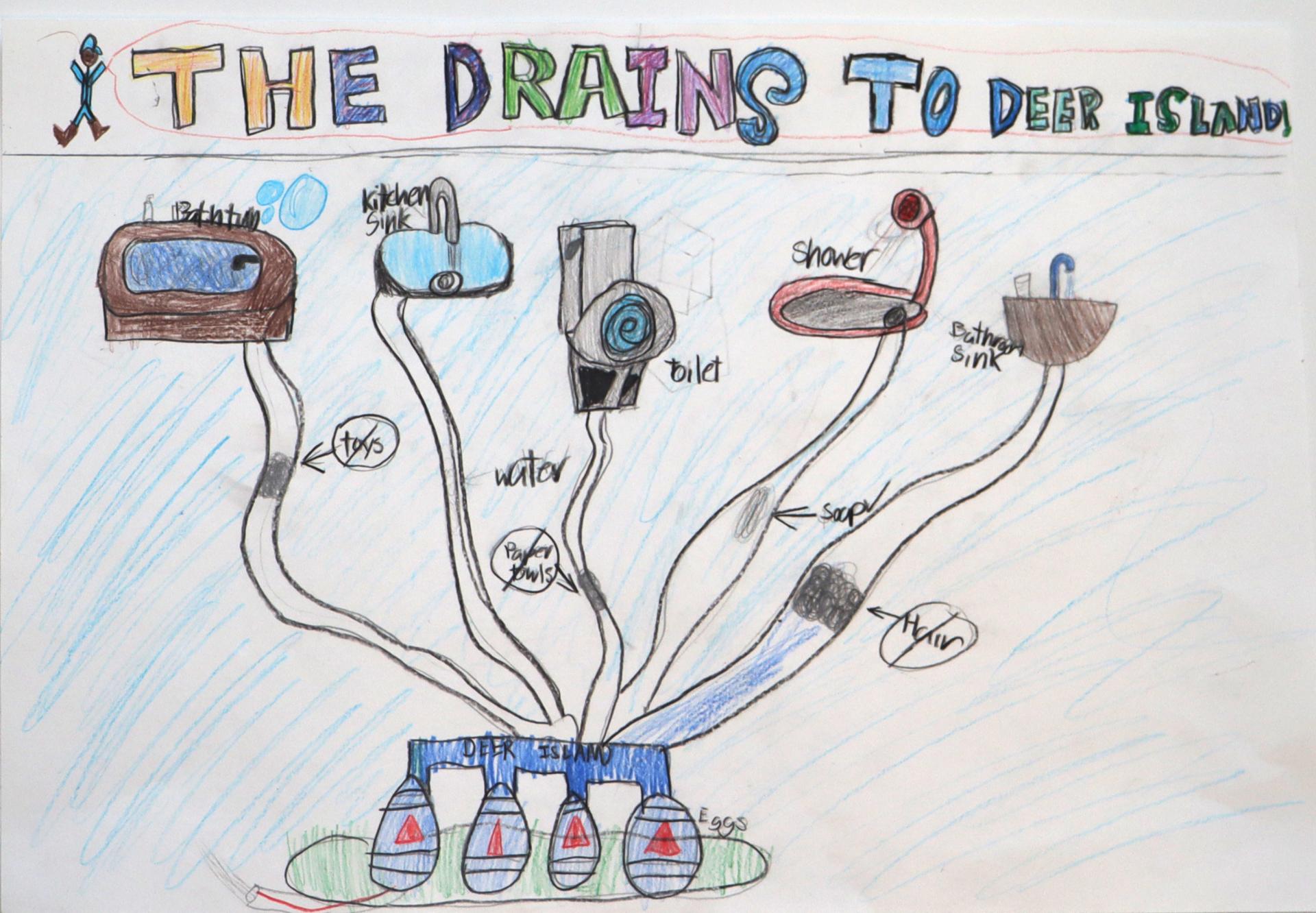
Second Place Winner, Grades K-2
Manny Casillas III
Richer Elementary, Marlborough
Laura Zouharis, Teacher
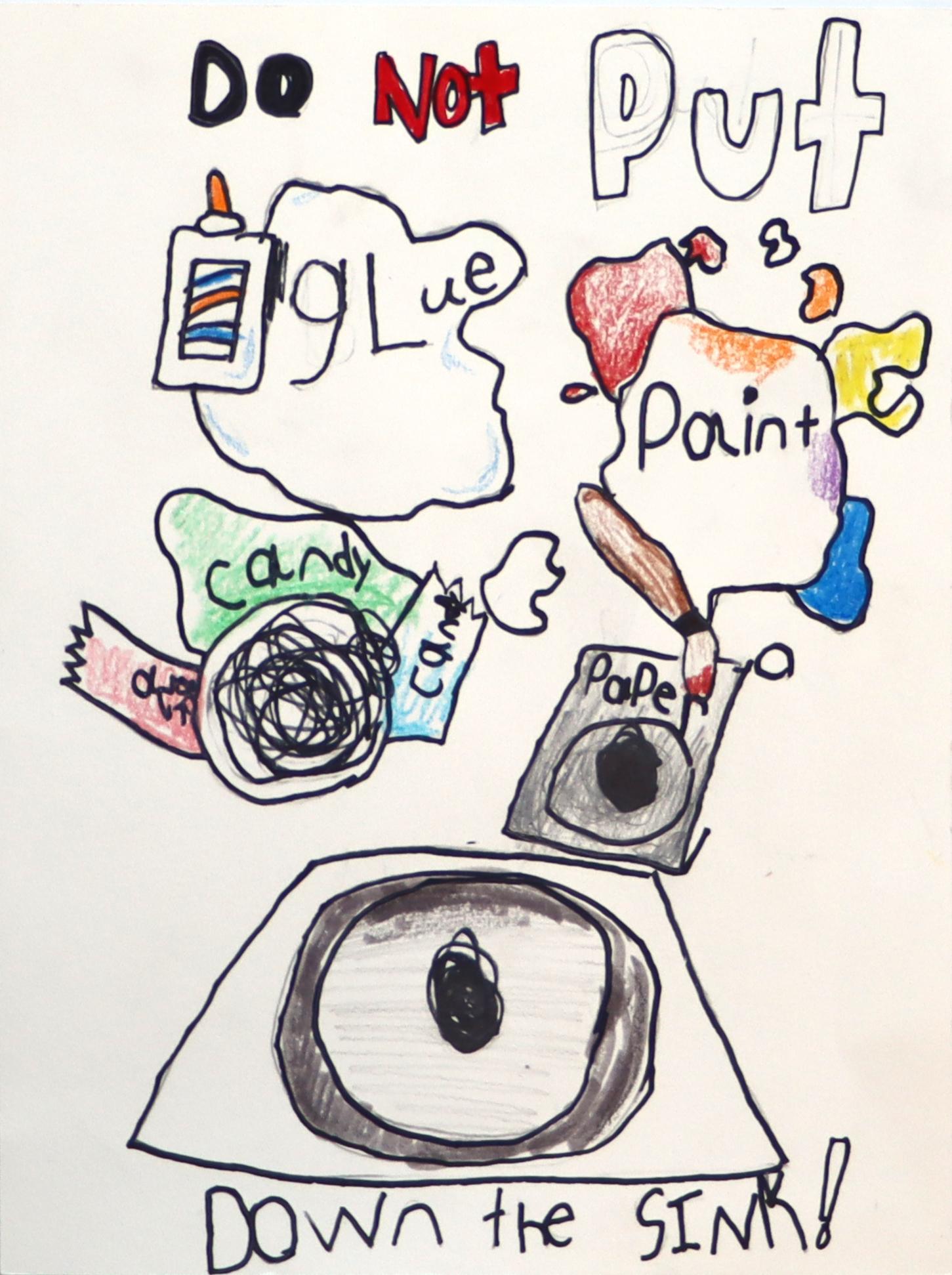
Third Place Winner, Grades K-2
Sandra Payan
Grade 2, Gorman Fort Banks Elementary School, Winthrop
Marissa Grieco, Teacher
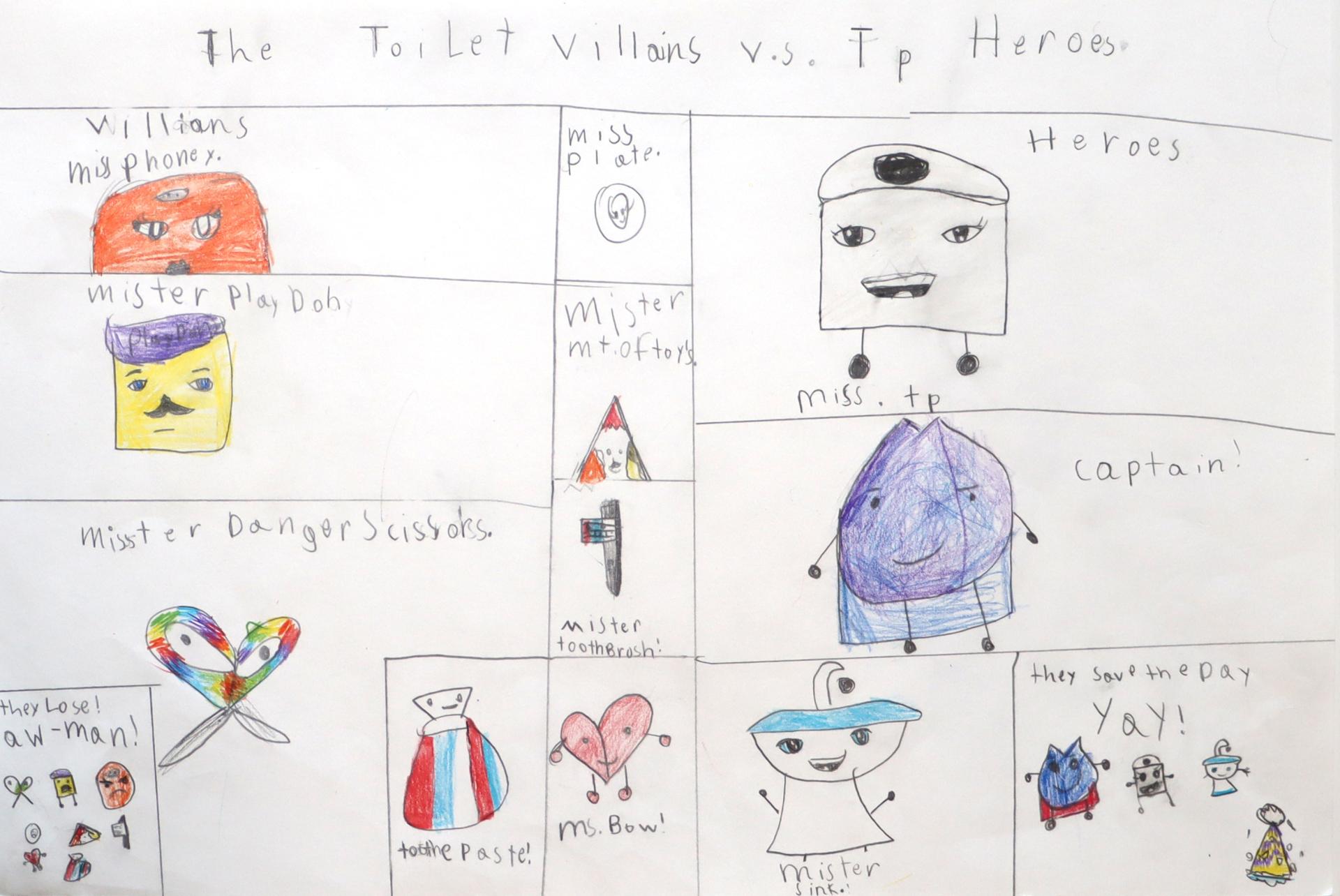
Honorable Mention Winner, Grades K-2
Greisi Isufaj
Grade 2, Hill Elementary School, Revere
Sally Miller, Teacher
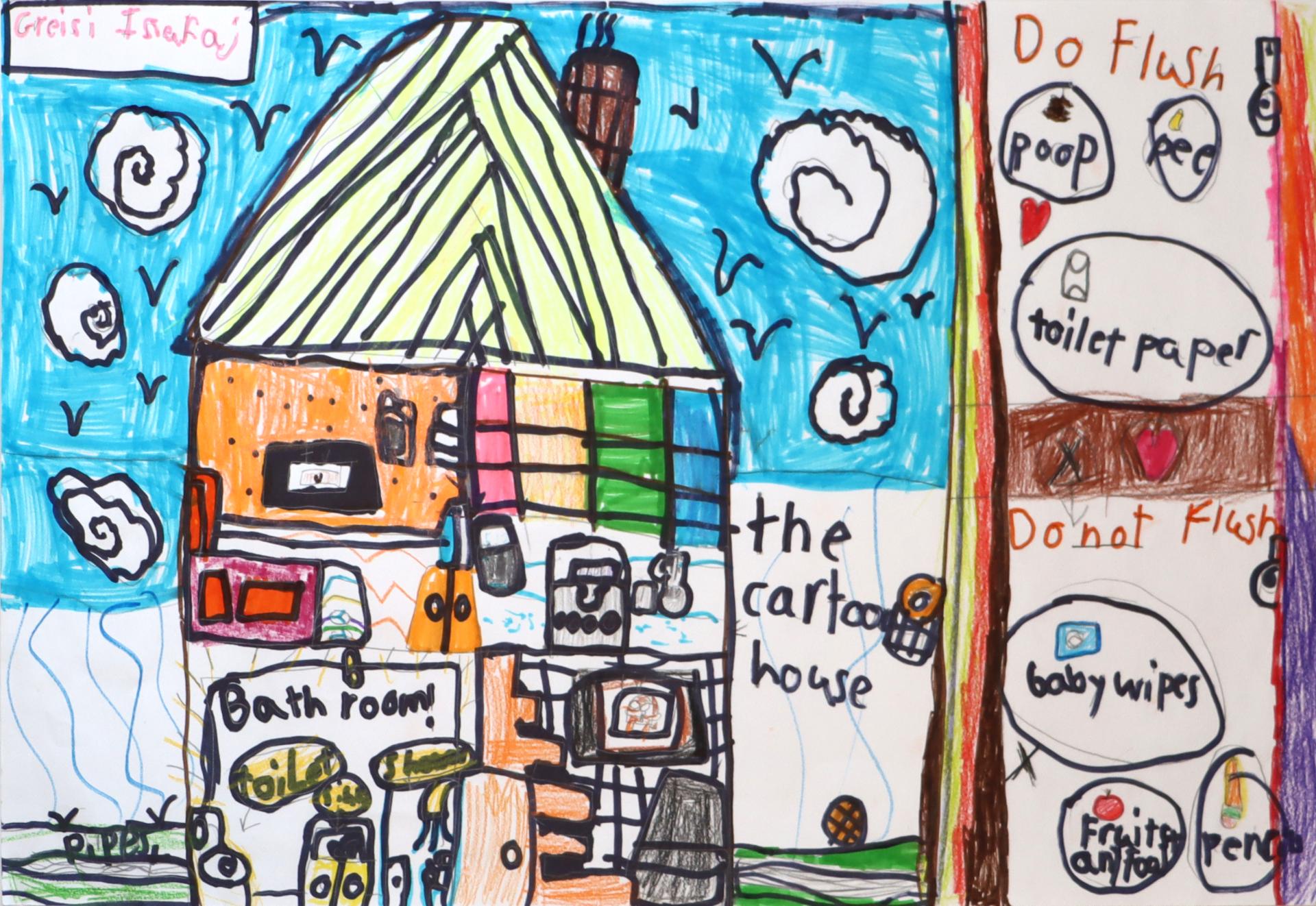
Honorable Mention Winner, Grades K-2
Wassim Darhou
Grade 2, Gorman Fort Banks Elementary School, Winthrop
Marissa Grieco, Teacher
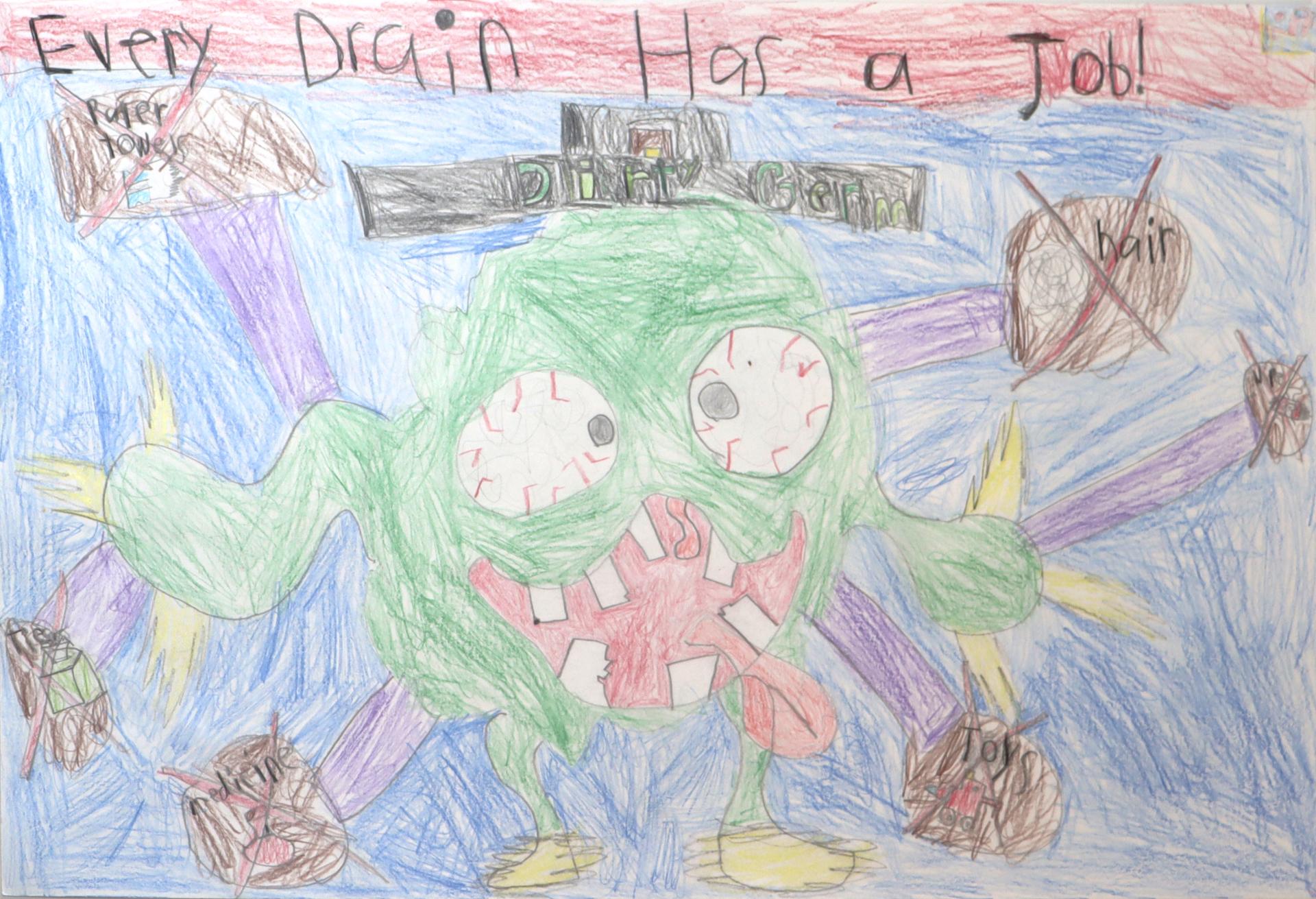
Honorable Mention Winner, Grades K-2
Emily Figueroa Pais
Grade 2, Hill Elementary School, Revere
Susan Cuzzi, Teacher
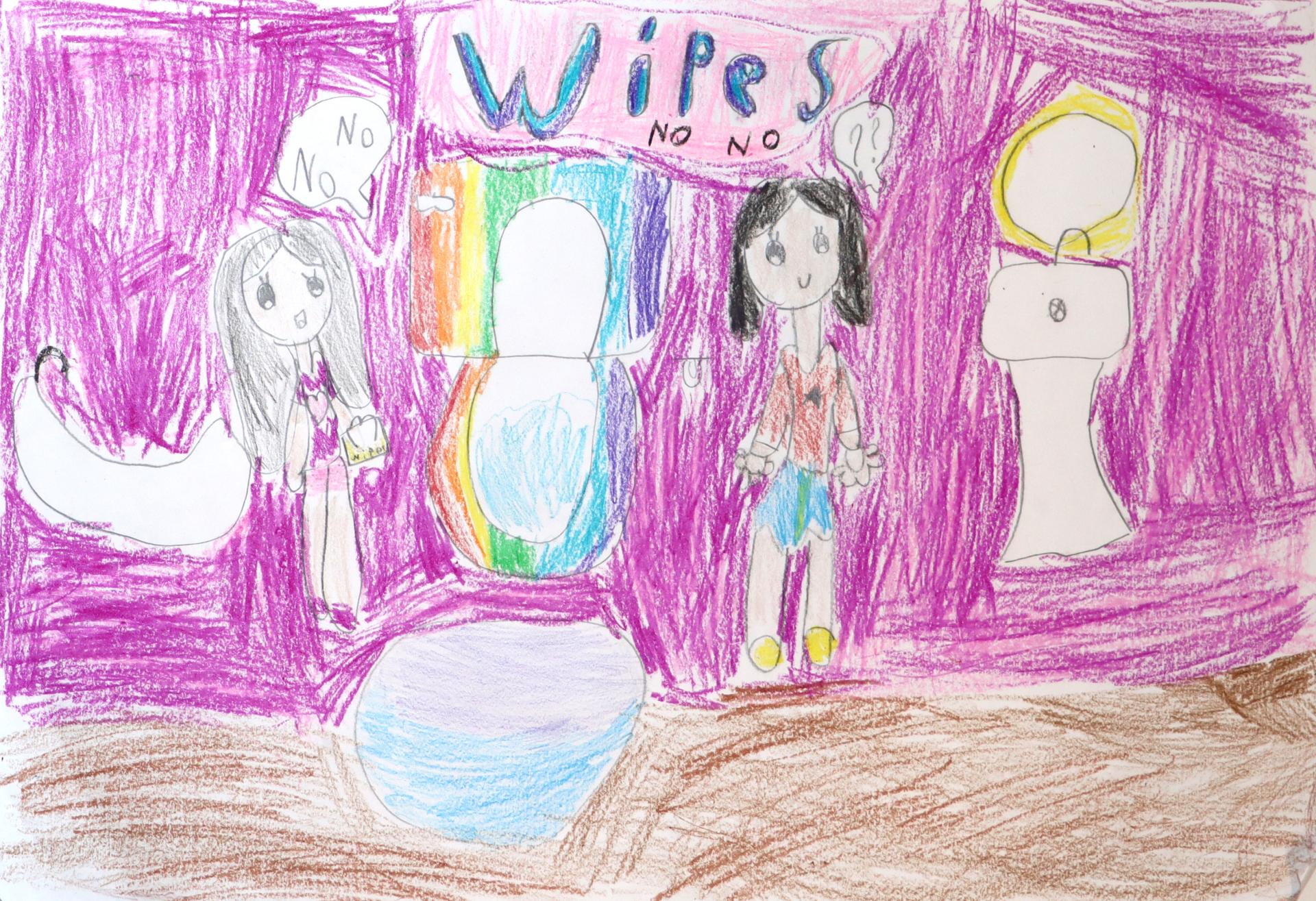
Honorable Mention Winner, Grades K-2
Laniyah Rivera
Grade 2, Gorman Fort Banks Elementary School, Winthrop
Marissa Grieco, Teacher
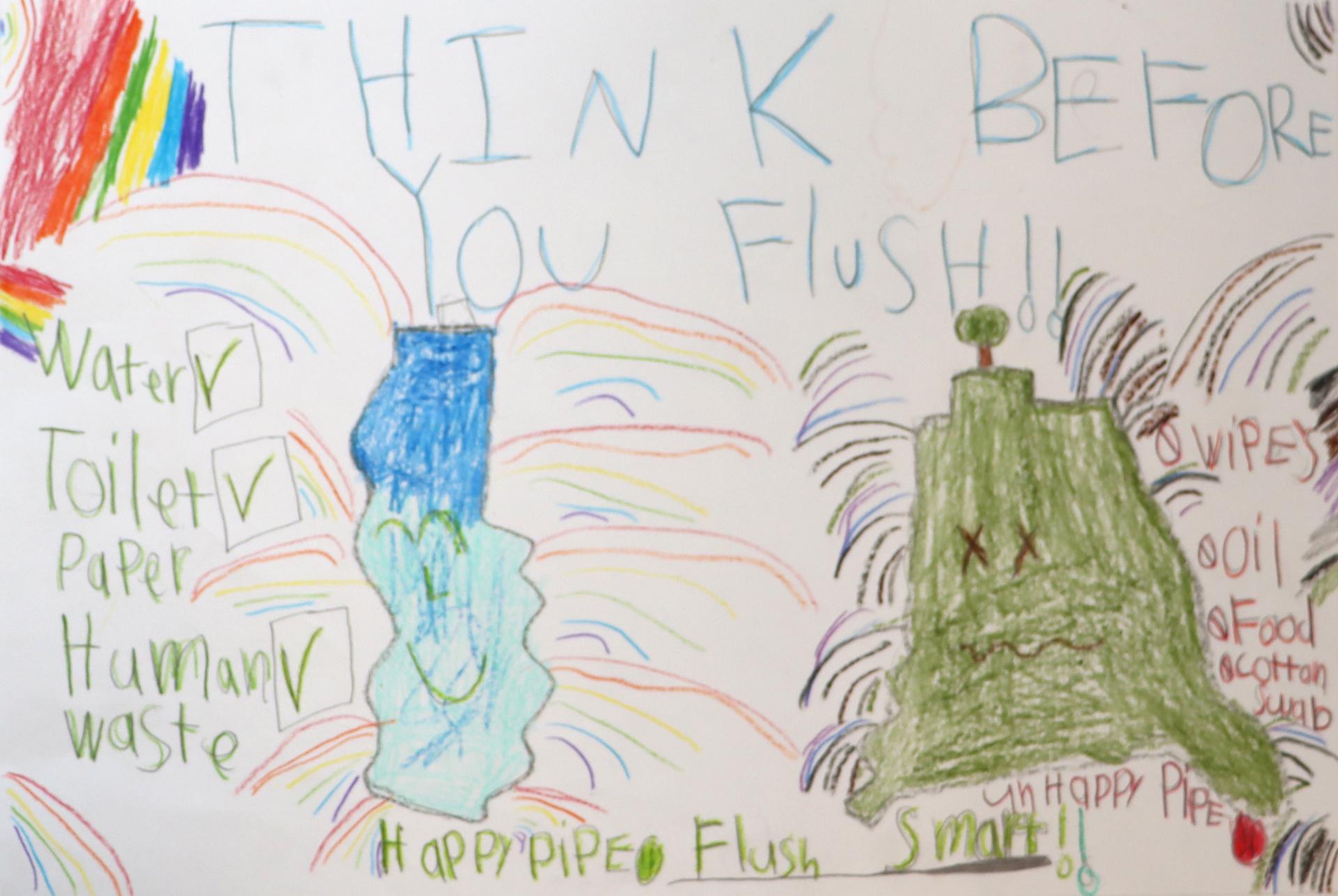
Poster Contest Winners 3-5
| Poster Contest Winners, Grades 3-5 | ||
|---|---|---|
| 1st Place | Tyler Dos Santos Bramusse | Hill School, Revere |
| 2nd Place | Maximilano Monsalve Salazar | Hill School, Revere |
| 3rd Place | Ava Scully | Brooks Elementary, Medford |
| HM | Charlie Jorde | Galvin Middle School, Wakefield |
| HM | Emiliano Vanegas Azabache | Hill School, Revere |
| HM | Madison Mont | Tracy School, Lynn |
| HM | Angel Reyes | Hill School, Revere |
First Place Winner, Grades 3-5
Tyler Dos Santos Bramusse
Grade 4, Hill School, Revere
Elisa LaPlante, Teacher
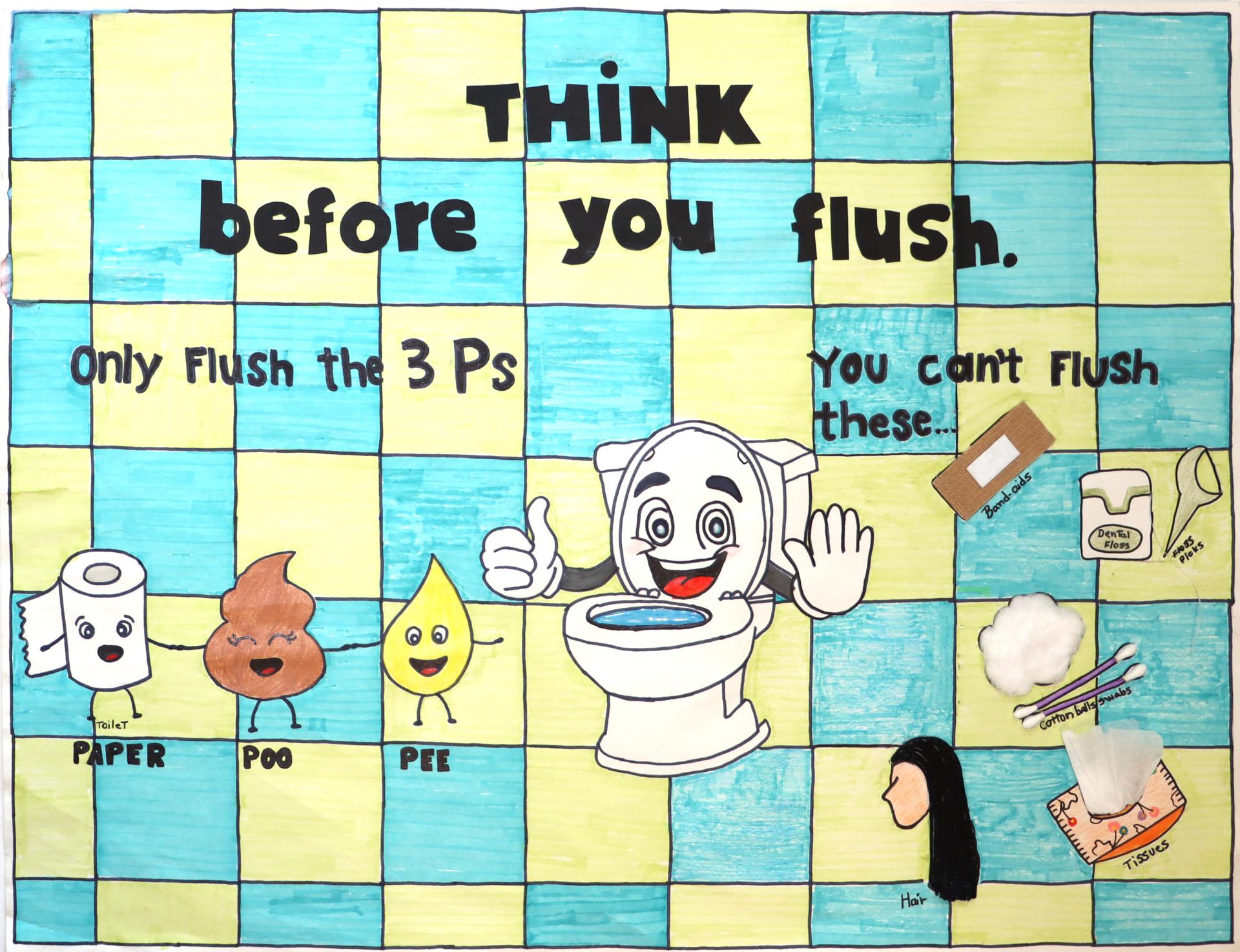
Second Place Winner, Grades 3-5
Maximilano Monsalve Salazar
Grade 4, Hill Elementary School, Revere
Elisa LaPlante , Teacher
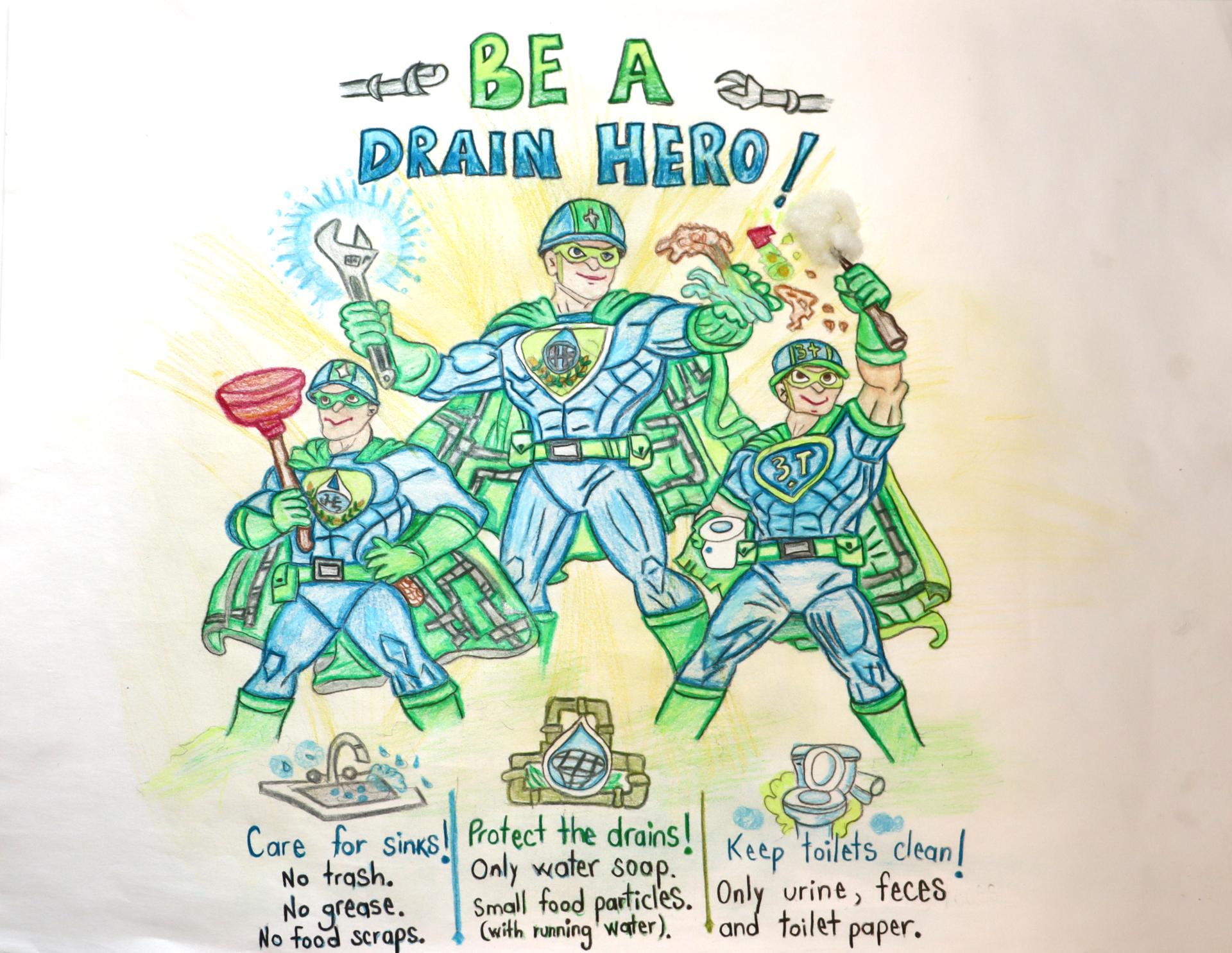
Third Place Winner, Grades 3-5
Ava Scully
Brooks Elementary School, Medford
Jessica MacIsaac, Teacher
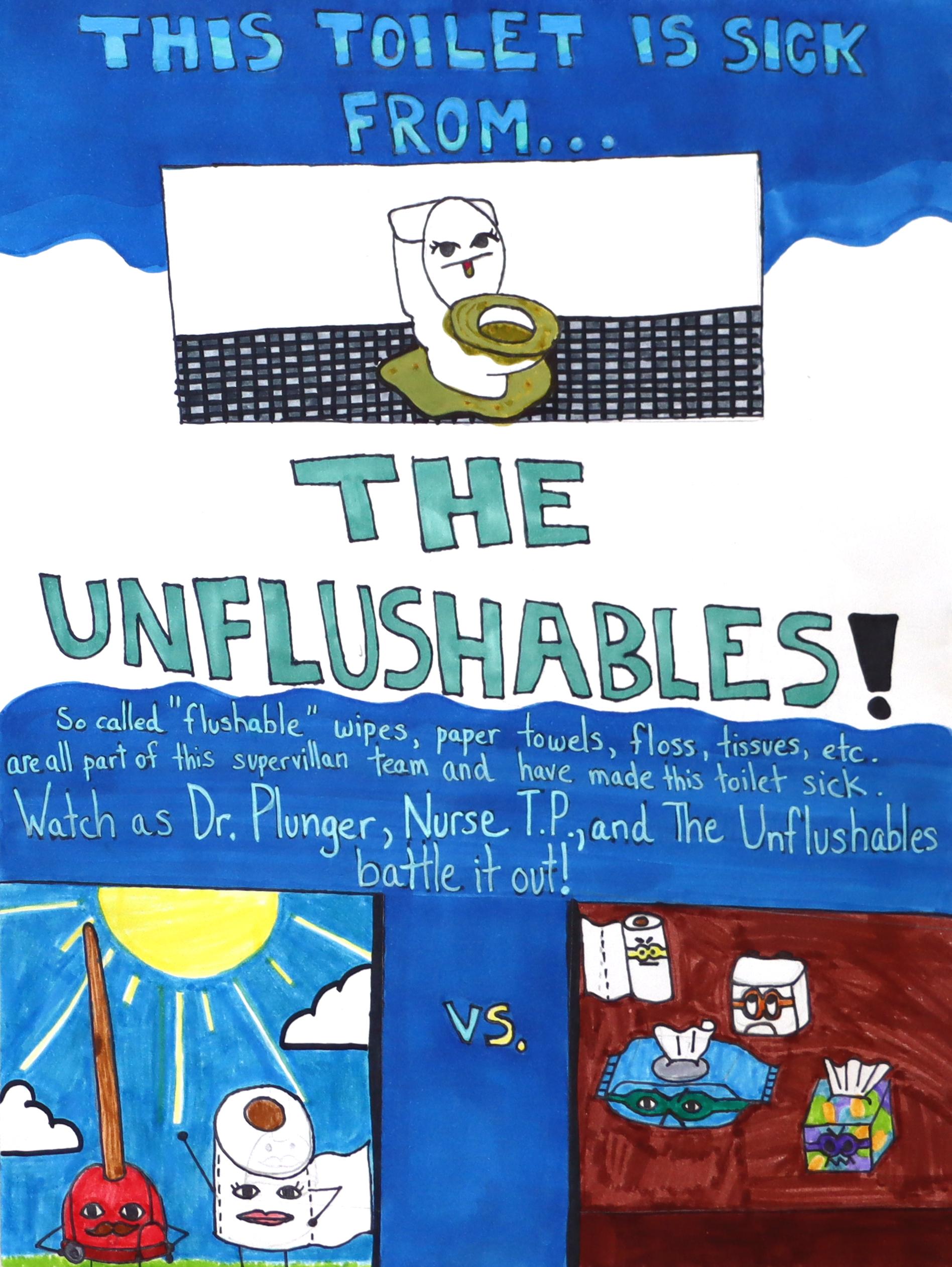
Honorable Mention Winner, Grades 3-5
Charlie Jorde
Grade 5, Galvin Middle School, Wakefield
Cynthia Fitzpatrick, Teacher
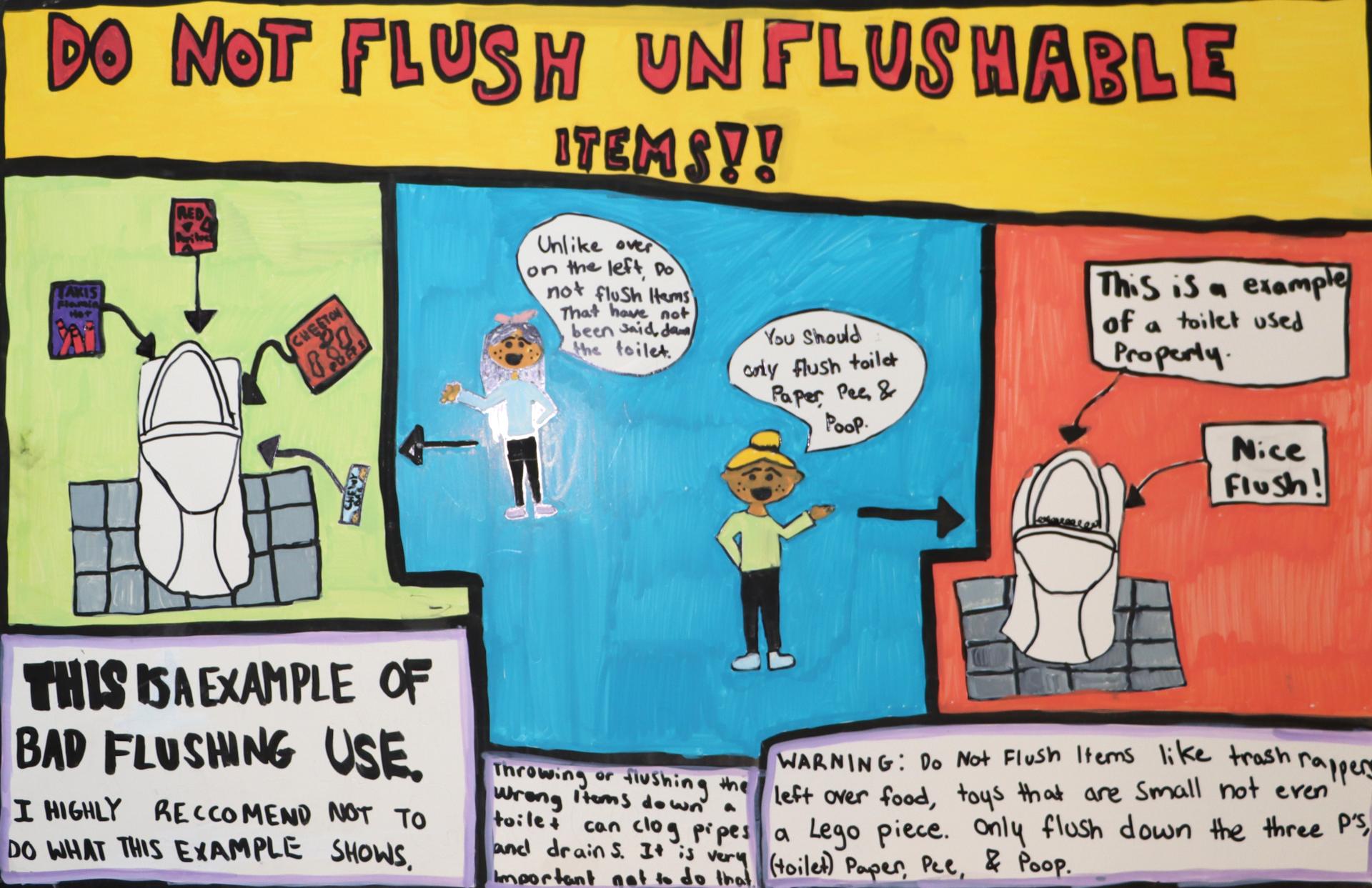
Honorable Mention Winner, Grades 3-5
Emiliano Vanegas Azabache
Grade 4, Hill Elementary School, Revere
Elisa LaPlante, Teacher
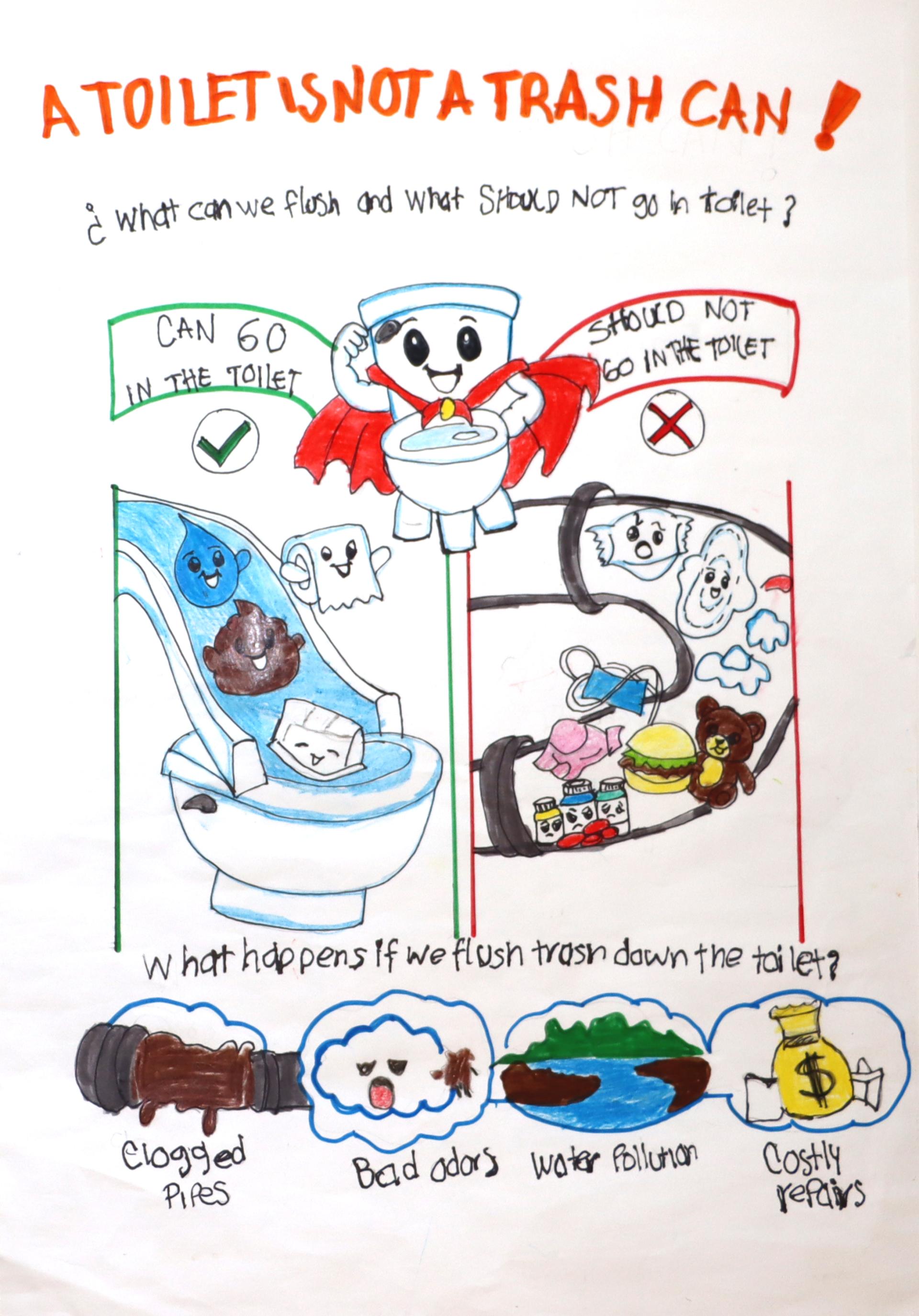
Honorable Mention Winner, Grades 3-5
Madison Mont
Grade 5, Tracy School, Lynn
Bessie Broufas, Teacher
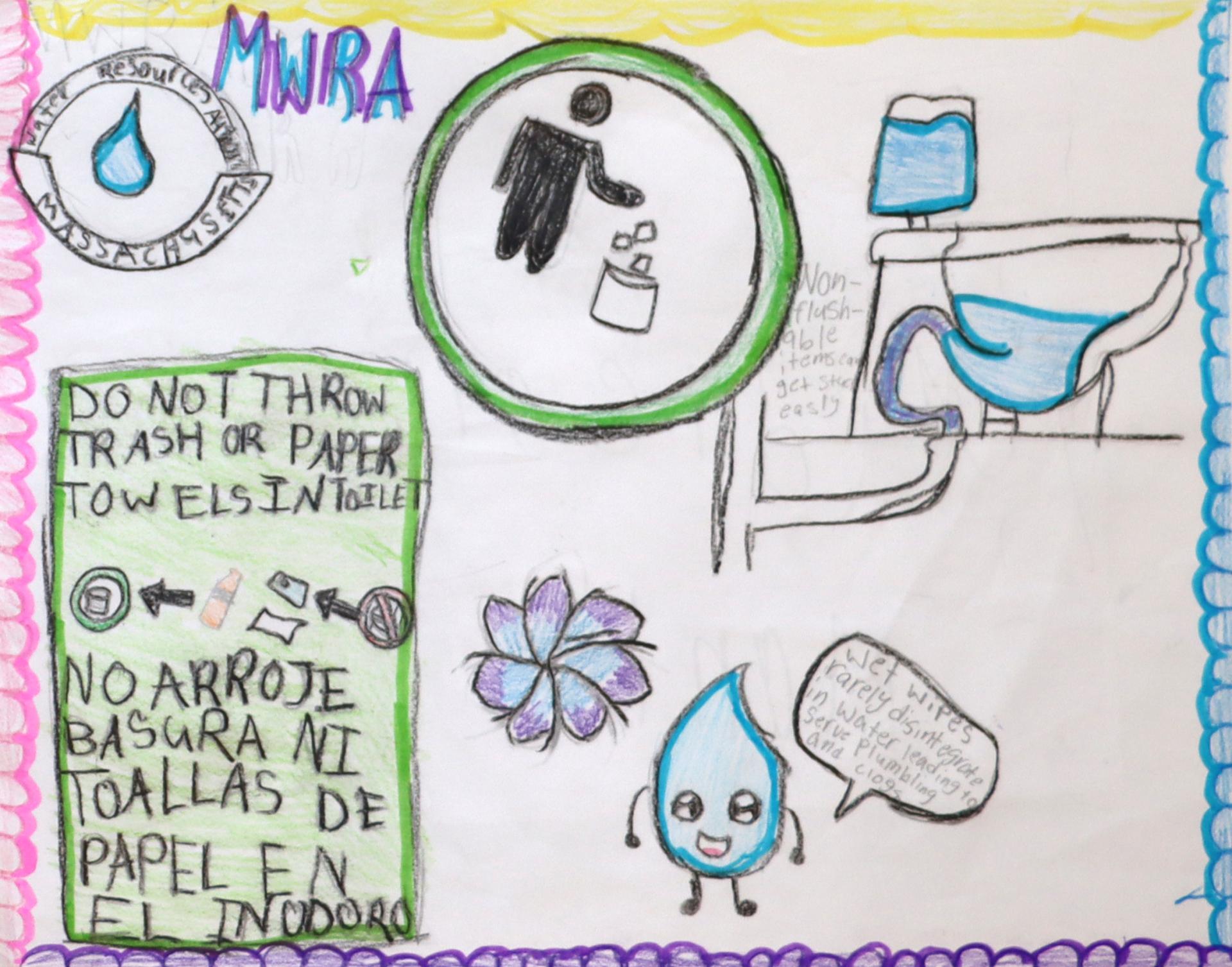
Honorable Mention Winner, Grades 3-5
Angel Reyes
Grade 4, Hill Elementary School, Revere
Elisa LaPlante, Teacher
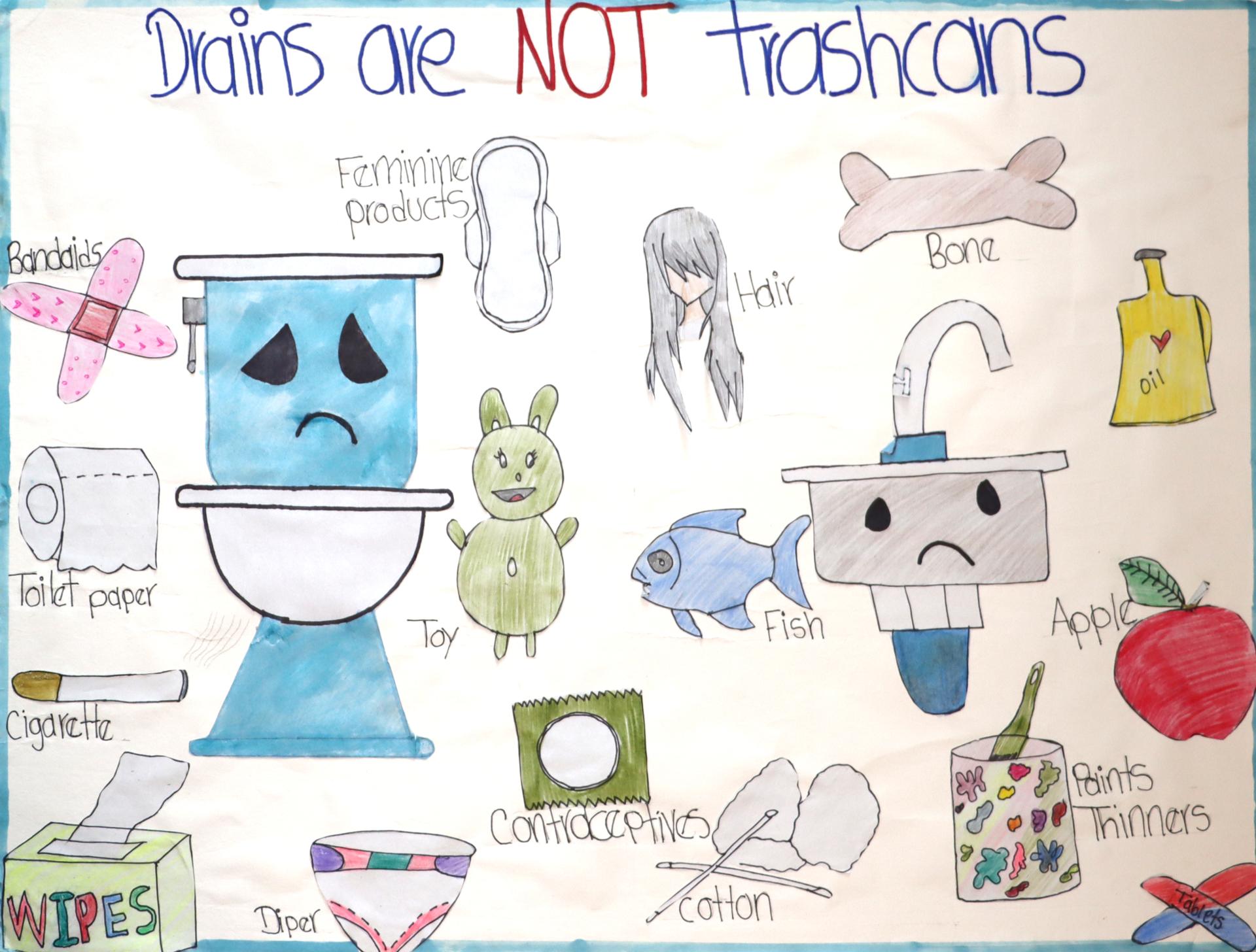
Poster Contest Winners 6-8
| Poster Contest Winners, Grades 6-8 | ||
|---|---|---|
| 1st Place | Emma Ghandi | McCall Middle School, Winchester |
| 2nd Place | Erine Goiffon | McCall Middle School, Winchester |
| 3rd Place | Ashley Mengady | Parlin School, Everett |
| HM | Julianne Chiu | John Glenn Middle School, Bedford |
| HM | James Sabbia | McCall Middle School, Winchester |
| HM | Mark Squillacioti | Parlin School, Everett |
| HM | Aubrey Chen | McCall Middle School, Winchester |
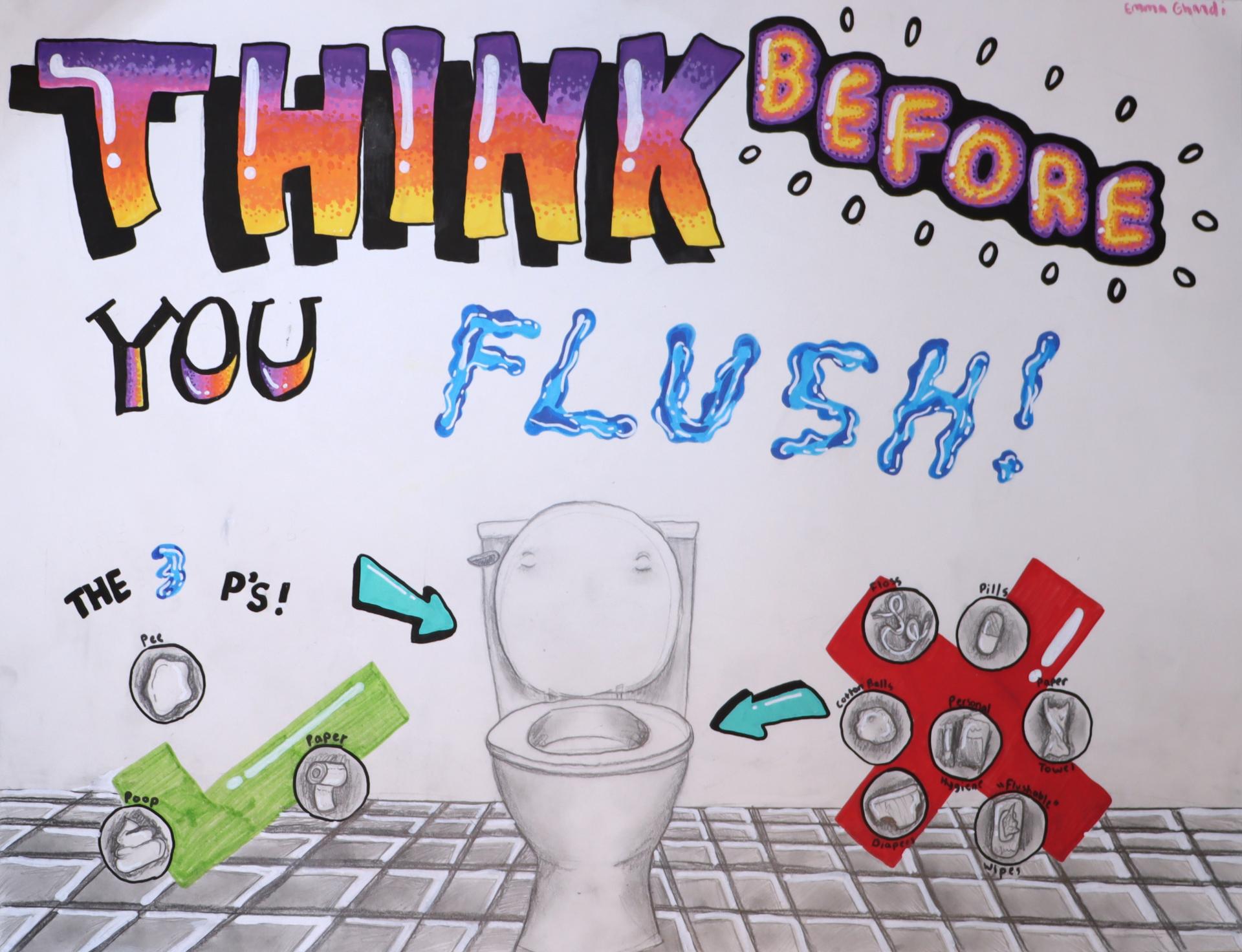
First Place Winner, Grades 6-8
Emma Ghandi
Grade 6, McCall Middle School, Winchester
Meg Capobianco-Burns, Teacher
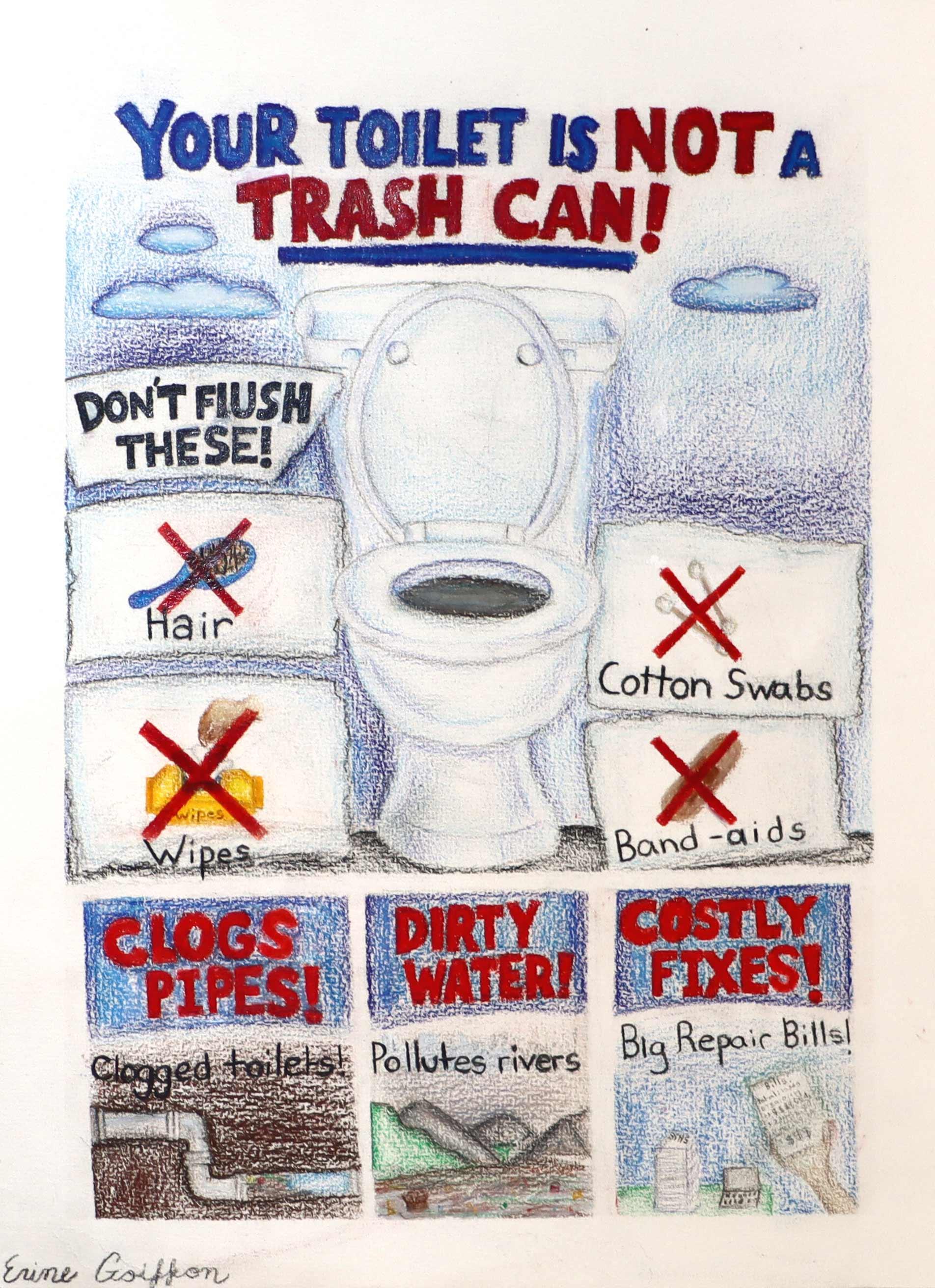
Second Place Winner, Grades 6-8
Erine Goiffon
Grade 6, McCall Middle School, Winchester
Meg Capobianco-Burns, Teacher
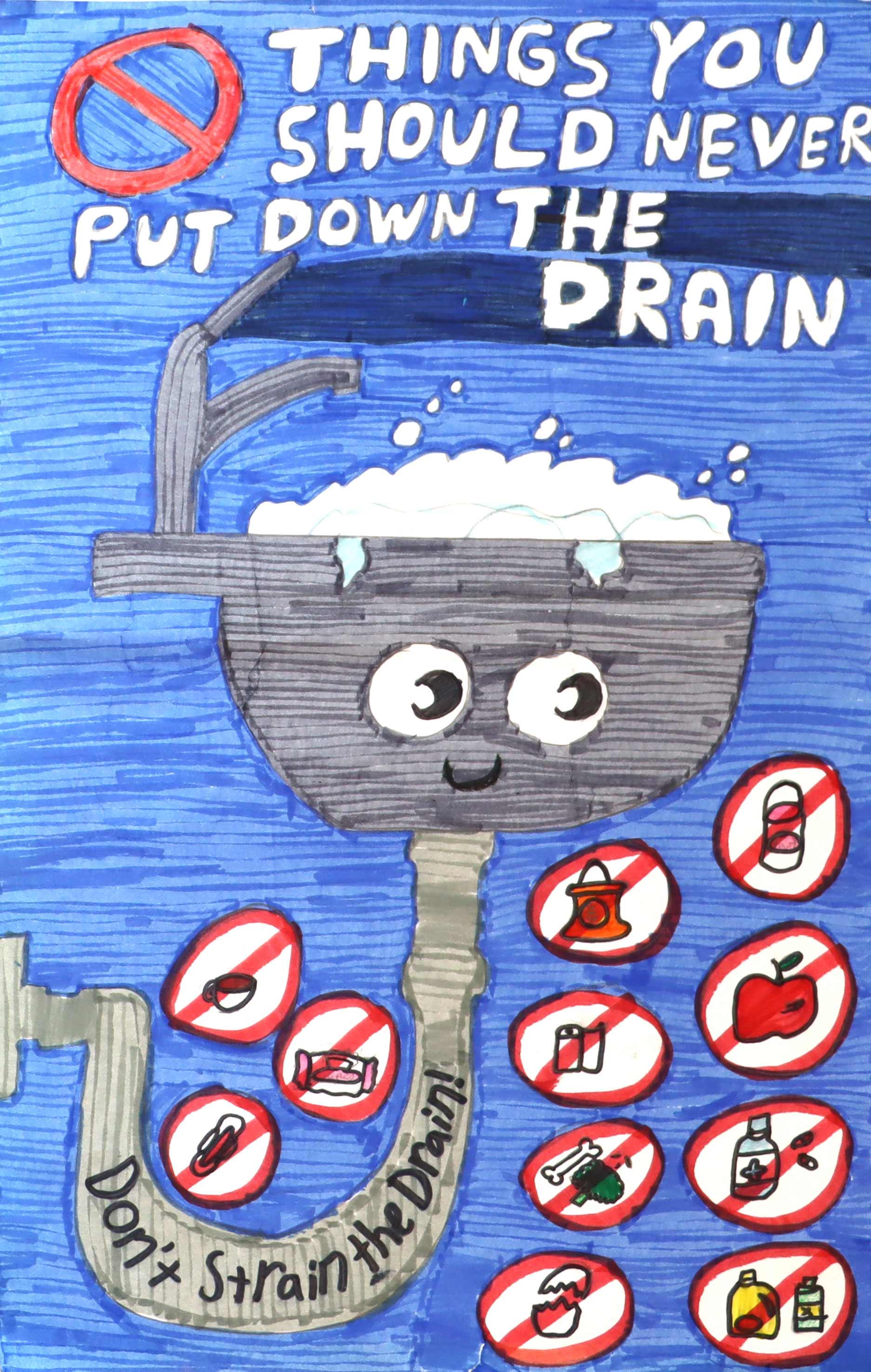
Third Place Winner, Grades 6-8
Ashley Mengady
Grade 6, Parlin School, Everett
Katelyn Crossley, Teacher
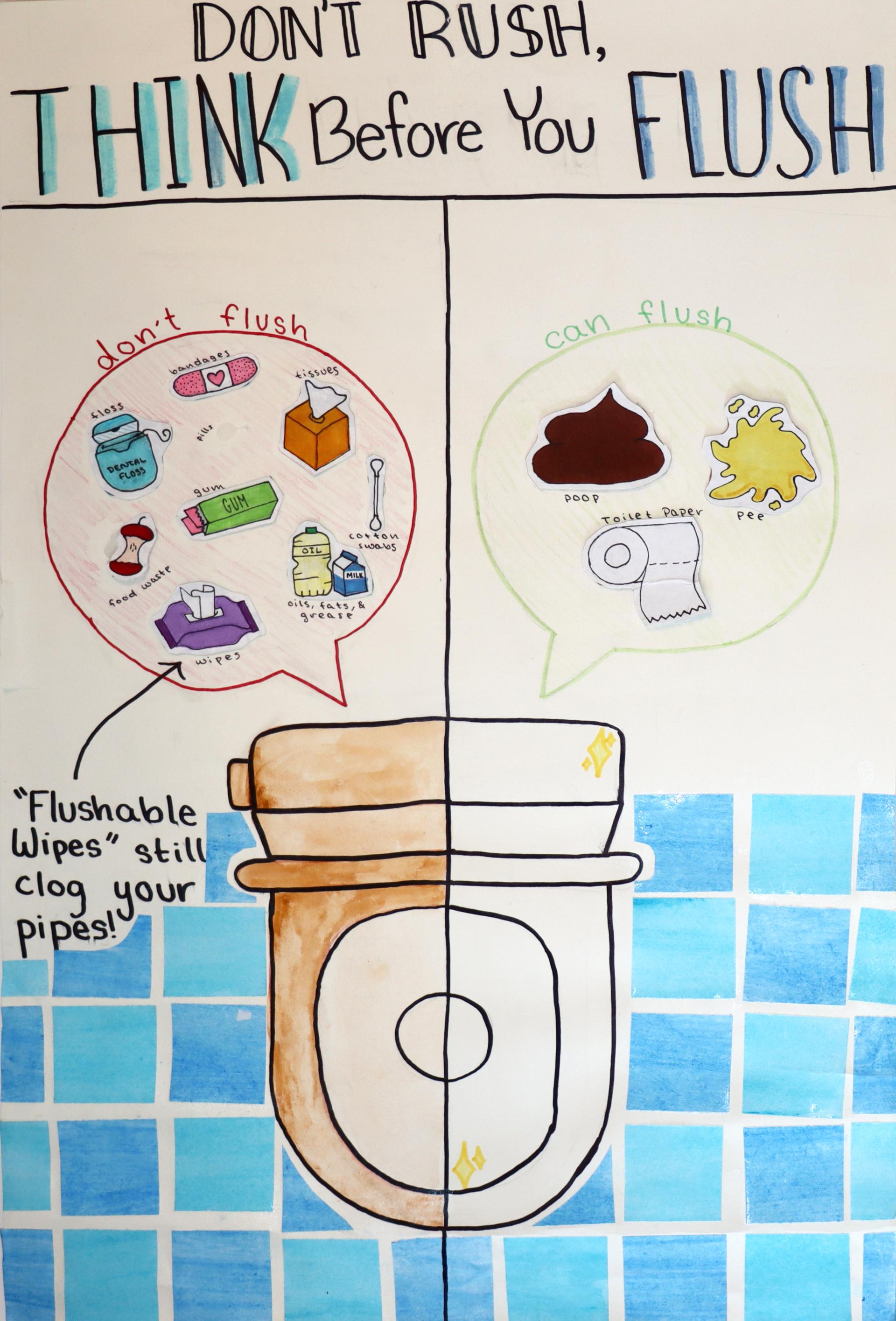
Honorable Mention Winner, Grades 6-8
Julianne Chiu
Grade 8, John Glenn Middle School, Bedford
John Anderson, Teacher
Honorable Mention Winner, Grades 6-8
James Sabbia
Grade 6, McCall Middle School, Winchester
Meg Capobianco-Burns, Teacher
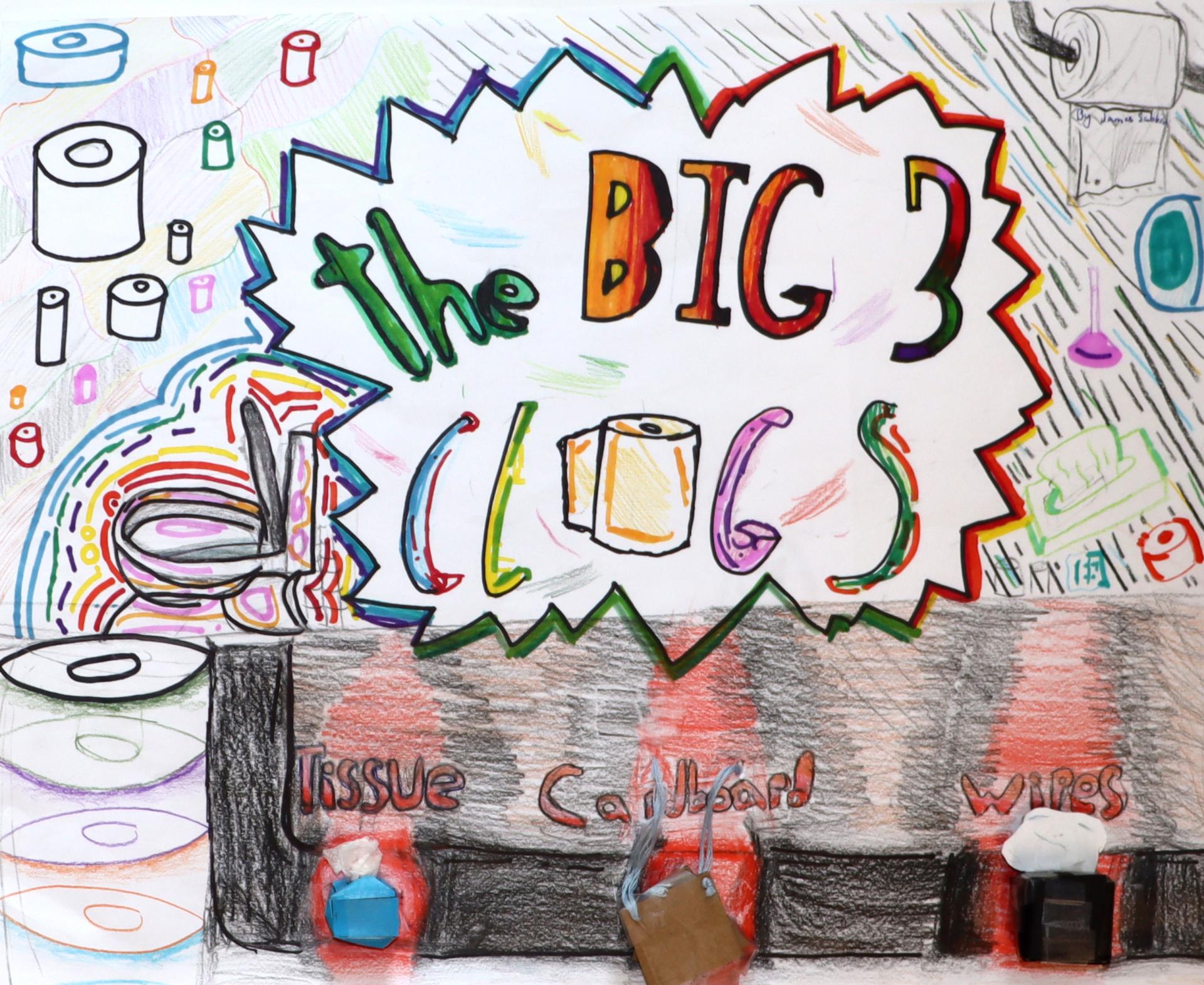
Honorable Mention Winner, Grades 6-8
Mark Squillacioti
Grade 6, Parlin School, Everett
Katelyn Crossley , Teacher
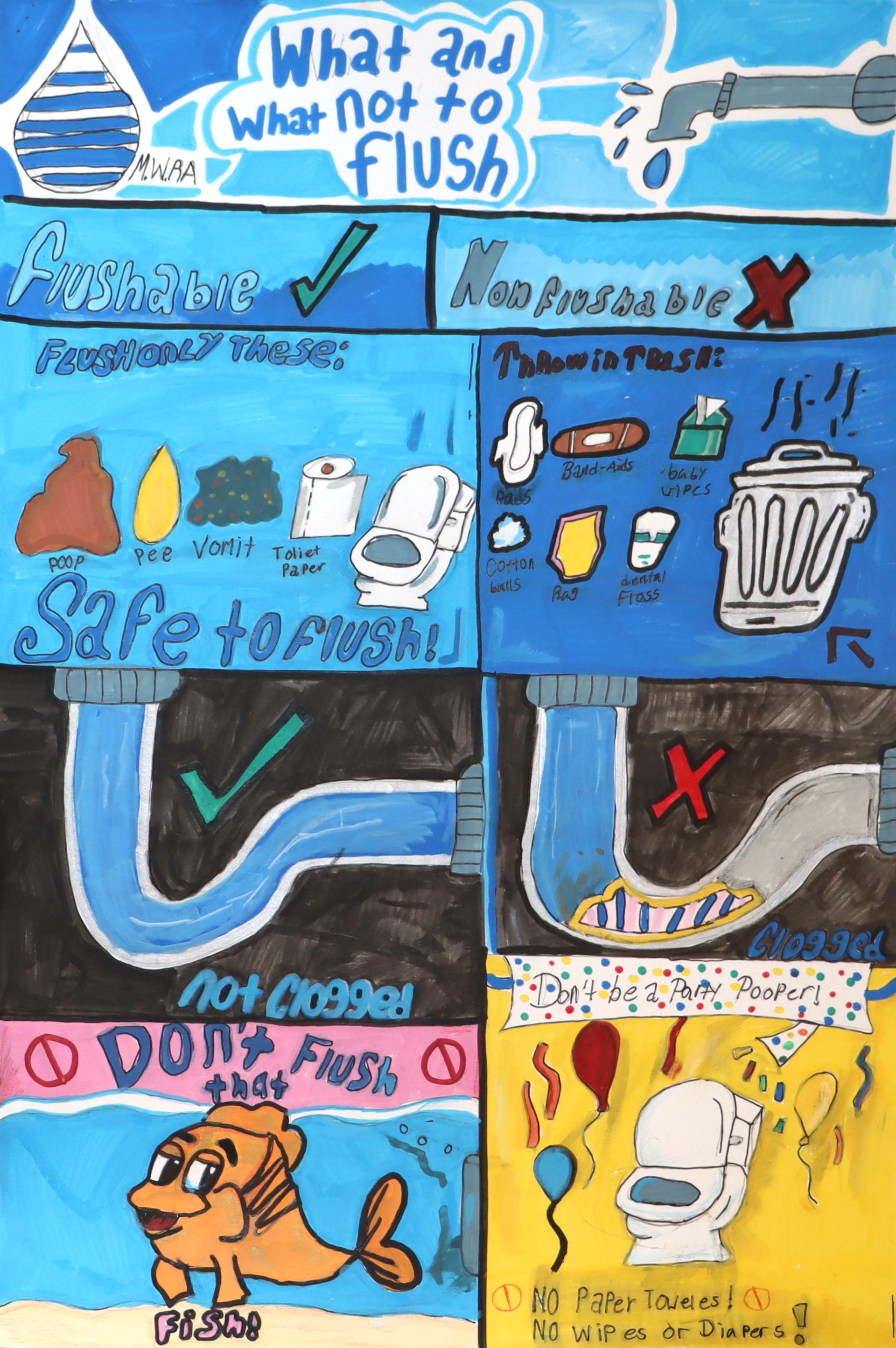
Honorable Mention Winner, Grades 6-8
Aubrey Chen
Grade 6, McCall Middle School, Winchester
Meg Capobianco-Burns, Teacher
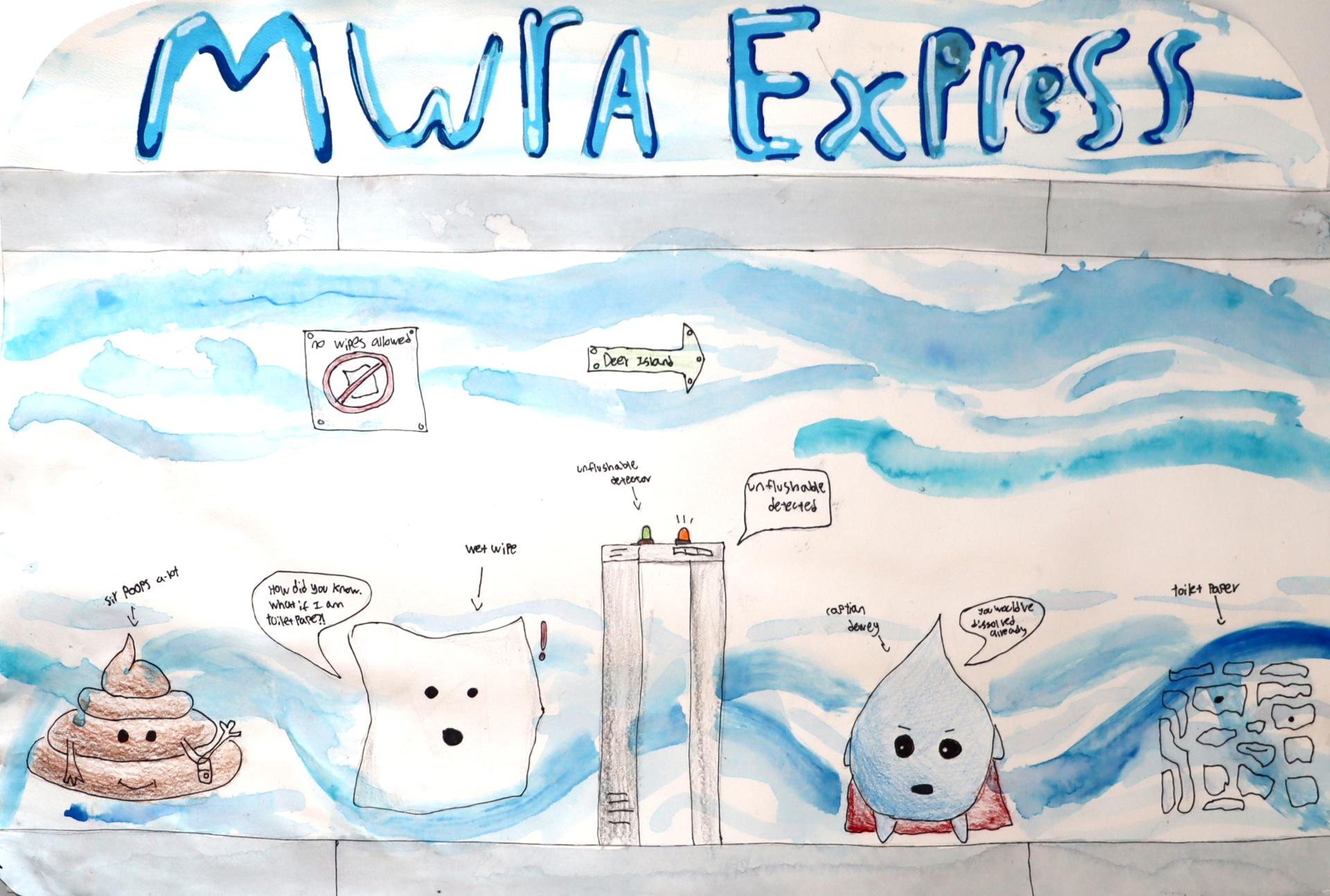
Poster Contest Winners 9-12
| Poster Contest Winners, Grades 9-12 | ||
|---|---|---|
| 1st Place | Olivia Katz | Norfolk County Agricultural High School, Walpole |
| 2nd Place | Keeva Angstadt | Homeschool (Student Submitted), Watertown |
| 3rd Place | Lilly Huynh | Randolph High School, Randolph |
| HM | Paula Miranda Vaz | New Mission High School, Boston |
| HM | Deislari Echavarria | Randolph High School, Randolph |
| HM | Safiya Griffiths | Norfolk County Agricultural High School, Walpole |
| HM | Daliylah Hamilton | Randolph High School, Randolph |
First Place Winner, Grades 9-12
Olivia Katz
Grade 9, Norfolk County Agricultural High School, Walpole
Lisa Collins, Teacher
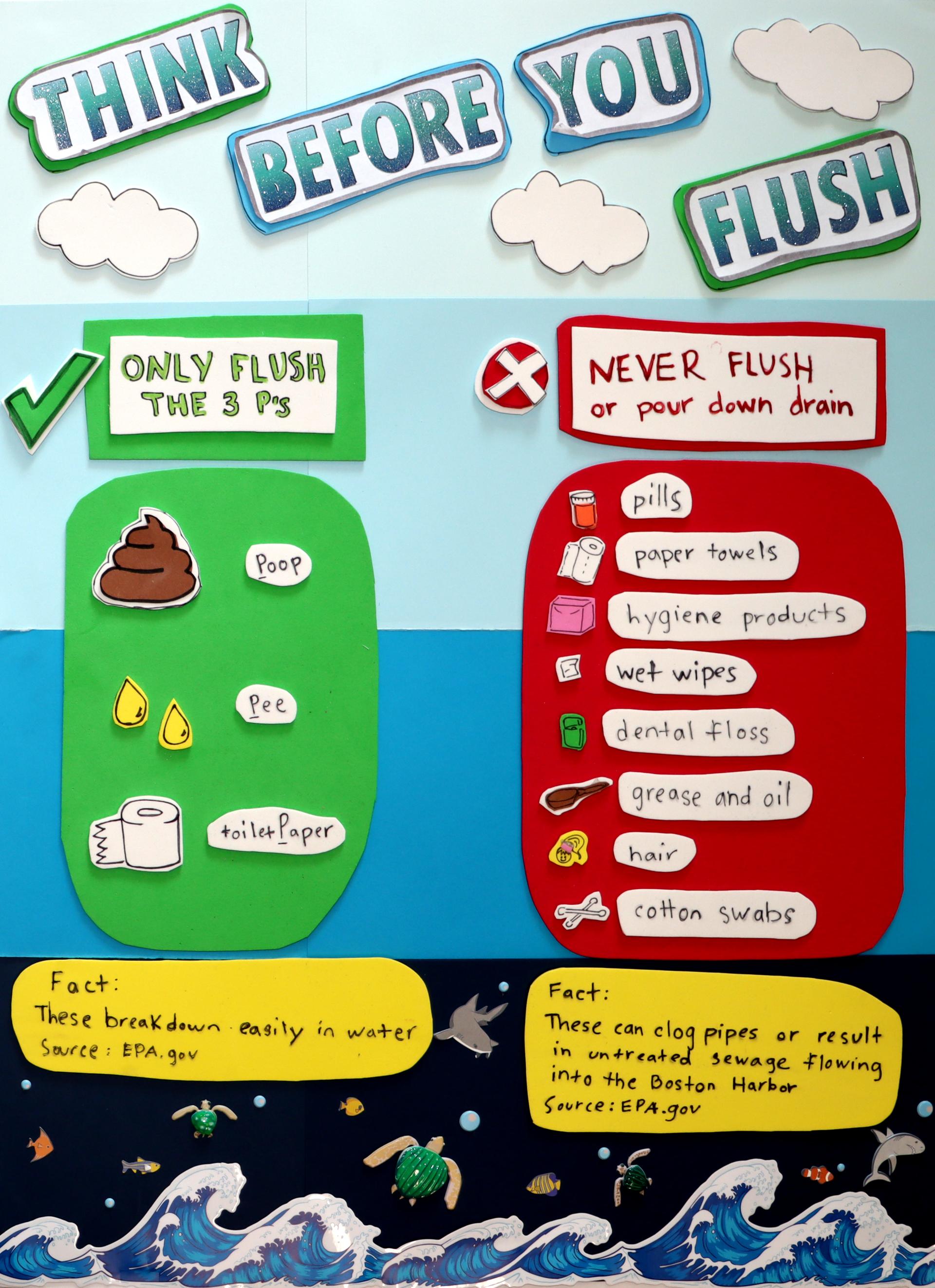
Second Place Winner, Grades 9-12
Keeva Angstadt
Grade 11, Homeschool, Student Submitted, Watertown
Jennifer Angstadt, Teacher
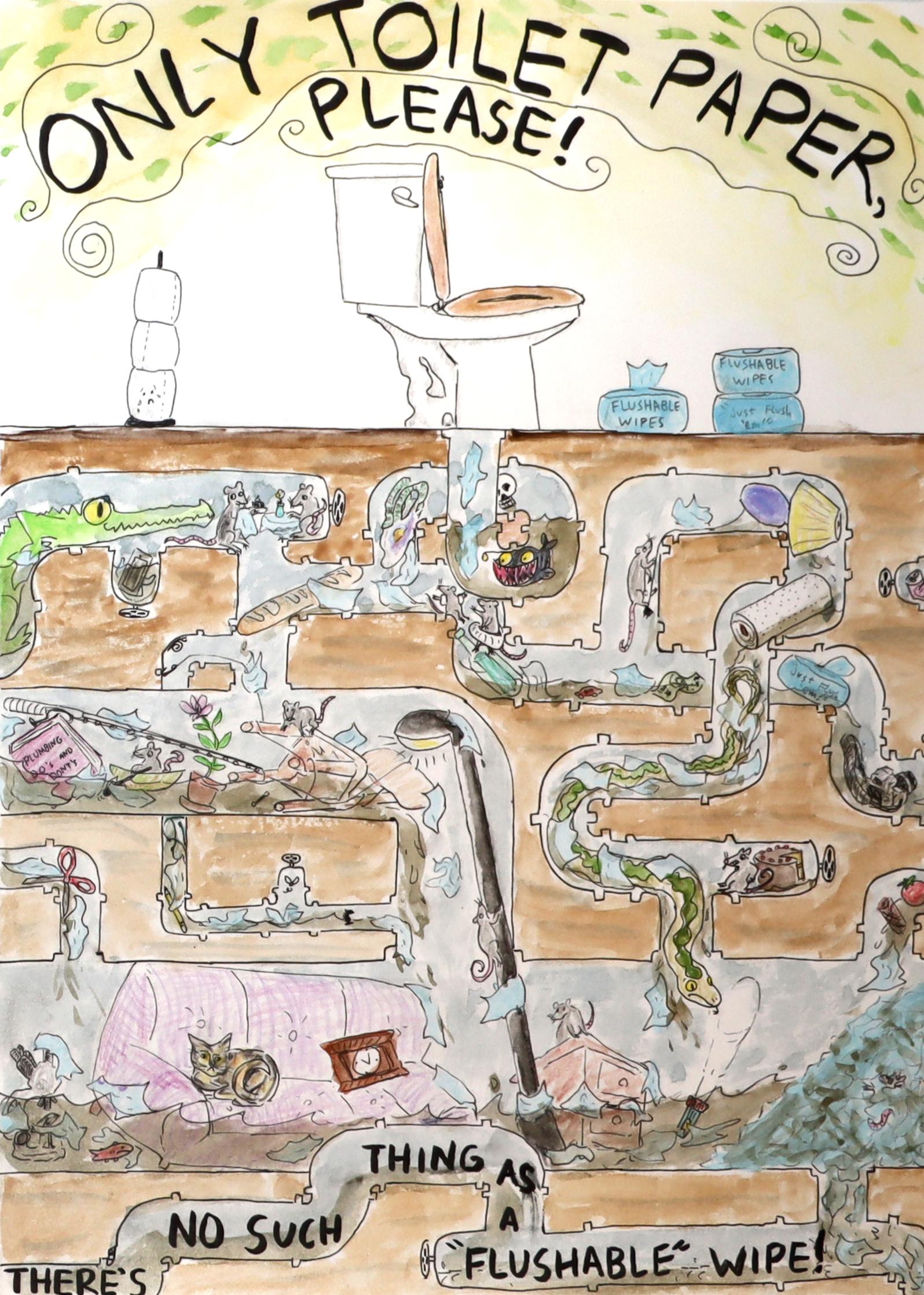
Third Place Winner, Grades 9-12
Lilly Huynh
Grade 11, Randolph High School, Randolph
Chakara Cardillo, Teacher
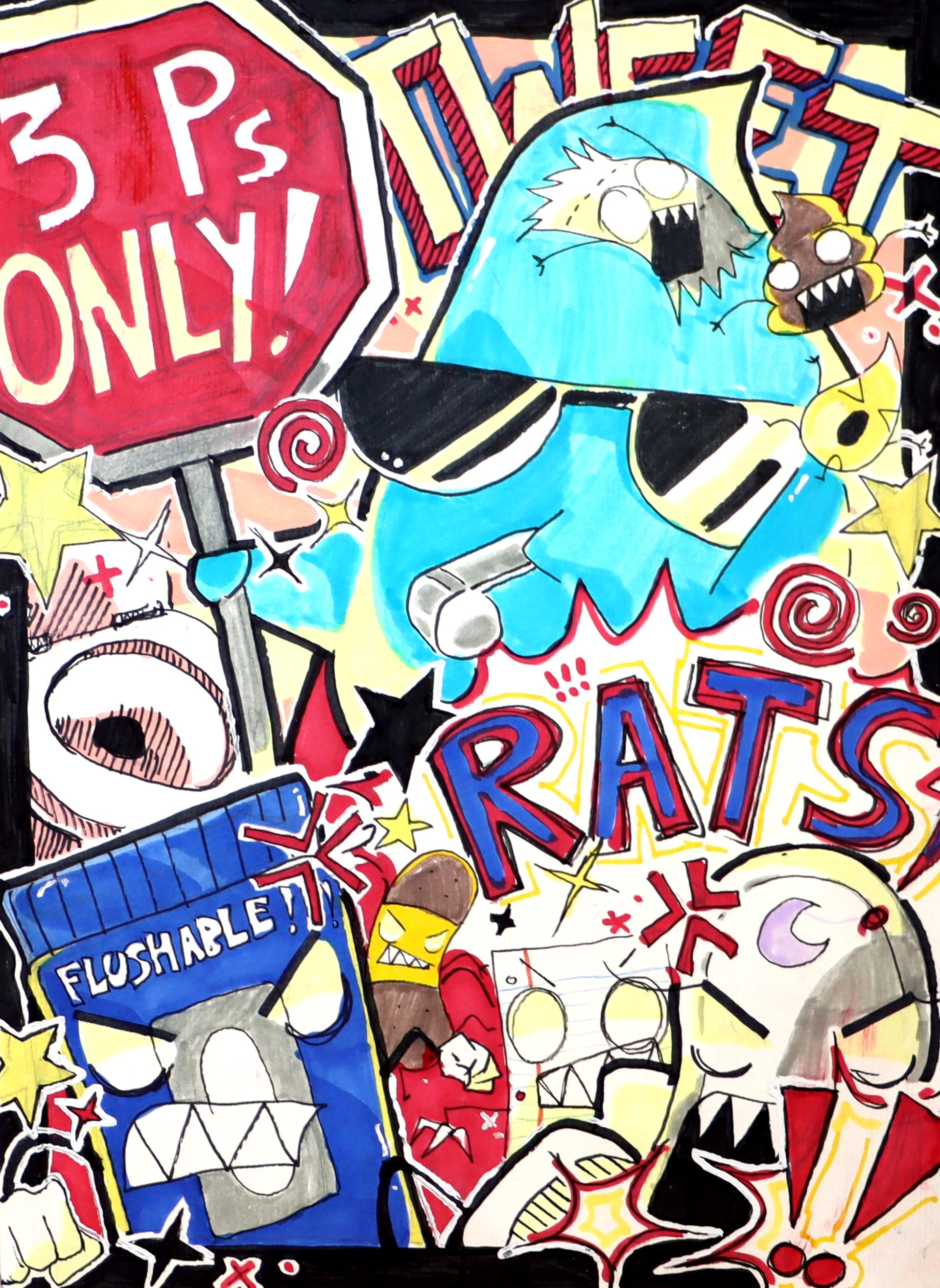
Honorable Mention Winner, Grades 9-12
Paula Miranda Vaz
Grade 11, New Mission High School, Hyde Park
Jennifer Dines, Teacher
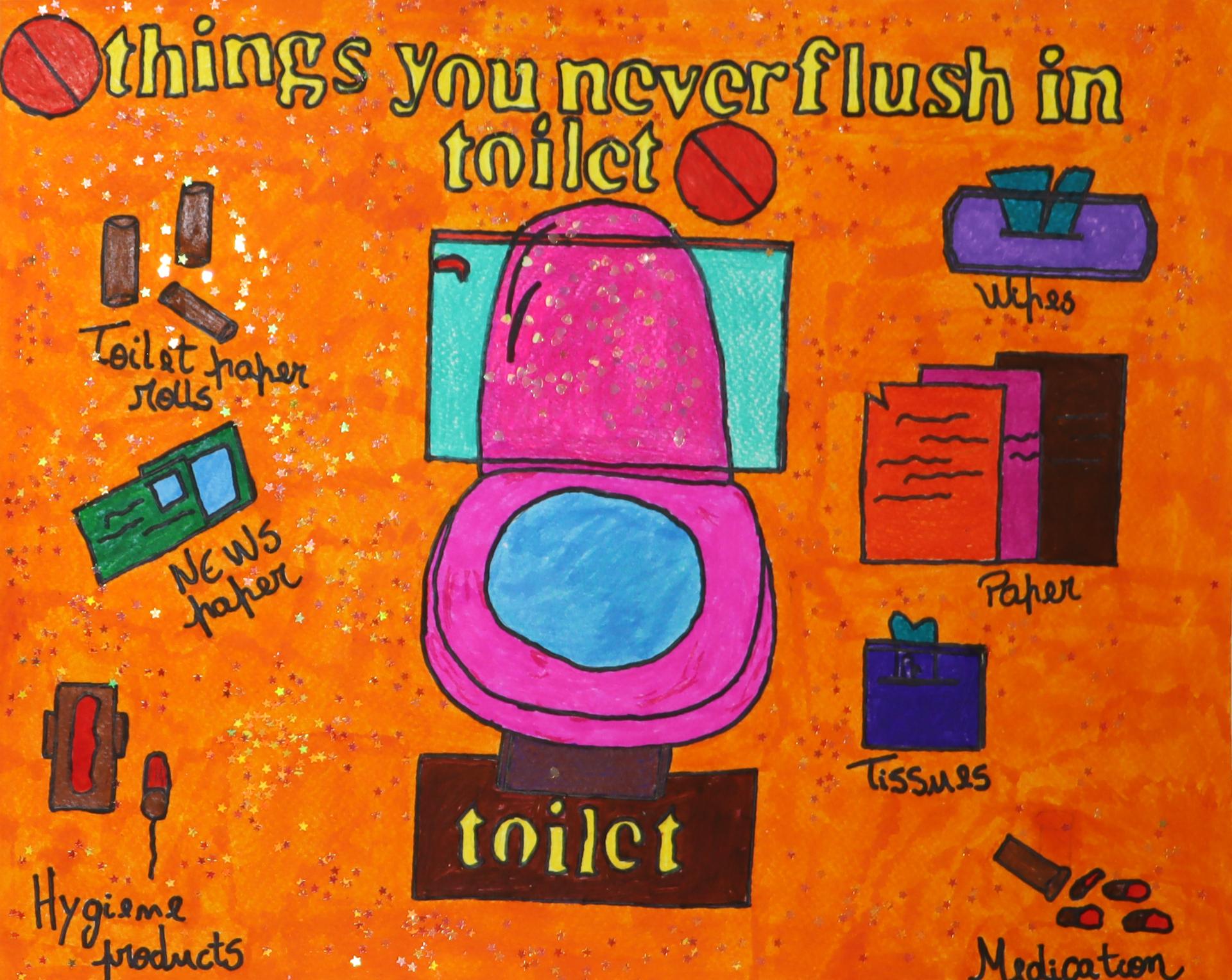
Honorable Mention Winner, Grades 9-12
Deislari Echavarria
Grade 11, Woburn Memorial High School, Woburn
Linda Marcus, Teacher
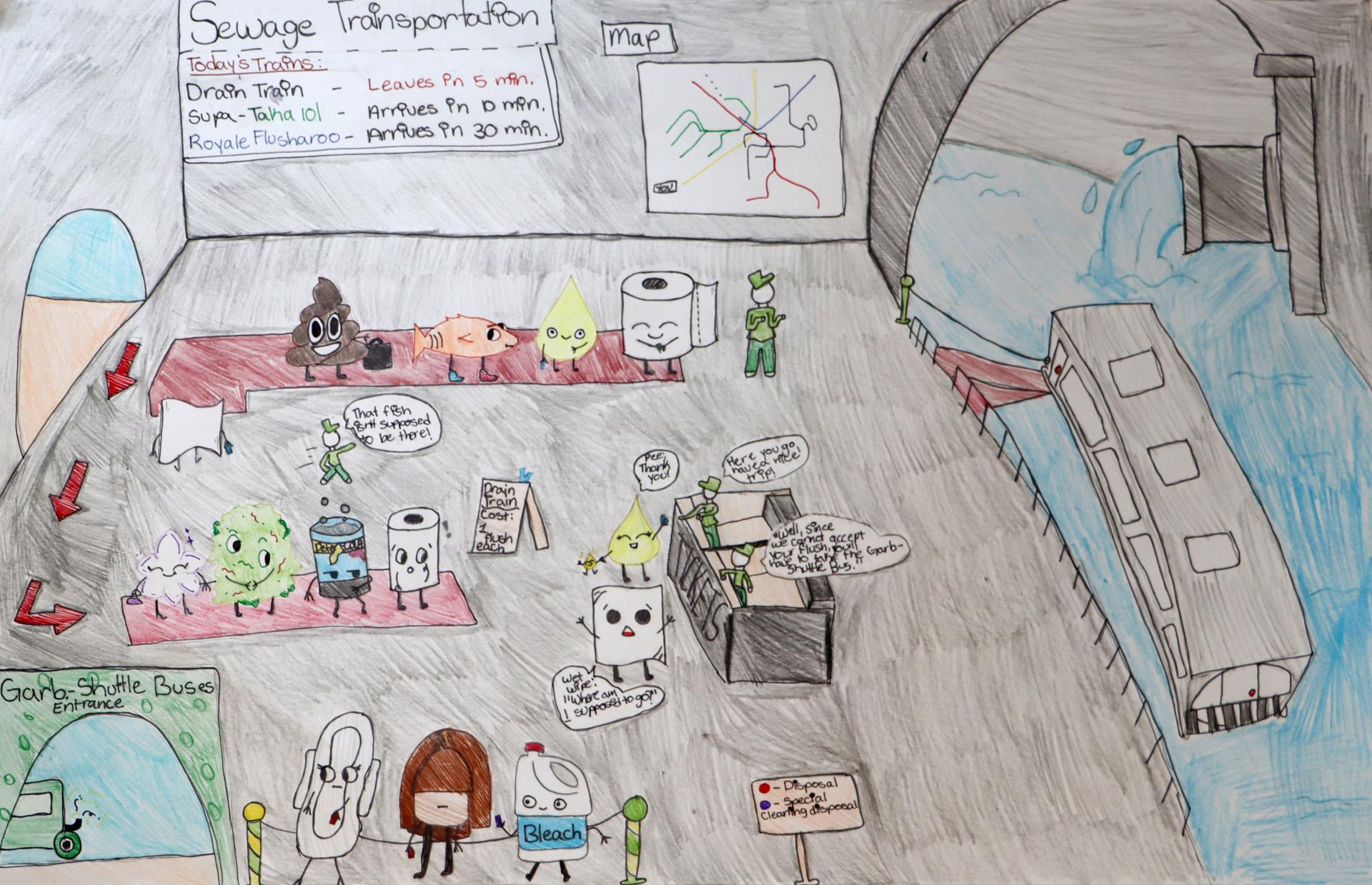
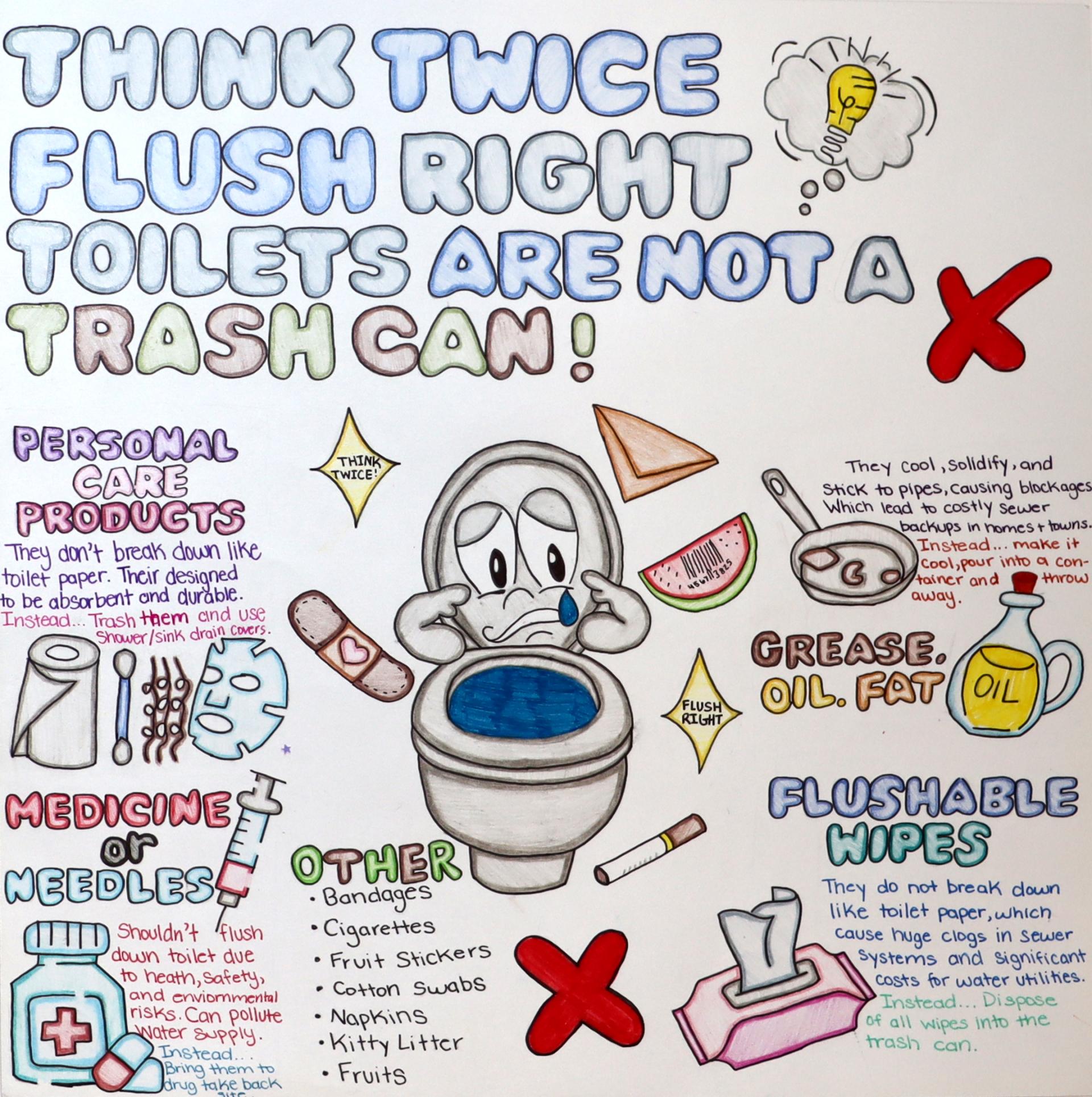
Honorable Mention Winner, Grades 9-12
Safiya Griffiths
Grade 9, Norfolk County Agricultural High School, Walpole
Lisa Collins, Teacher
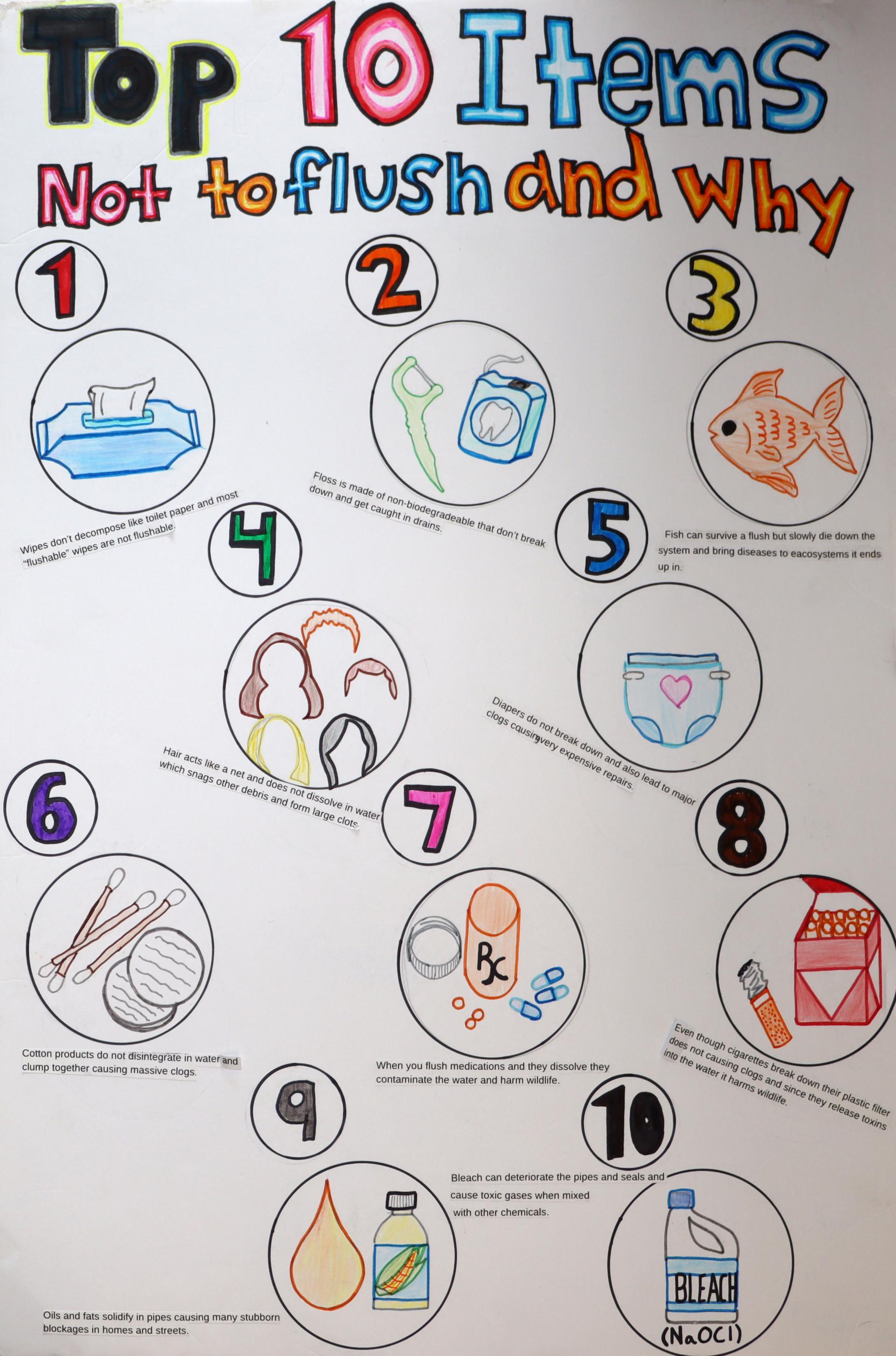
Honorable Mention Winner, Grades 9-12
Daliylah Hamilton
Grade 9, Norfolk County Agricultural High School, Walpole
Jayne Ingle, Teacher
Essay Contest Winners, Grades 3-5
| Essay Contest Winners, Grades 3-5 | ||
|---|---|---|
| 1st Place | Kyle Dam | Galvin Middle School, Wakefield |
| 2nd Place | Dominic Caceres | Webster School, Everett |
| 3rd Place | Nicholas Duong | Linden STEAM Academy , Malden |
| HM | Christian Lomba | Webster School, Everett |
| HM | Zoe Padilla | Webster School, Everett |
| HM | Owen Silbaugh | Galvin Middle School, Wakefield |
| HM | Allison Guerrero Castro | Webster School, Everett |
First Place Winner, Grades 3-5
Kyle Dam
Grade 5, Galvin Middle School, Wakefield
Katelyn Guilmette, Teacher
Journey After the Flush: Rules to Protect Our Water
What really happens after we flush the toilet? Most people think that once something is flushed down the toilet, it simply disappears. In reality, every flush begins a long journey through miles of underground pipes before reaching wastewater treatment plants, run by the Massachusetts Water Resources Authority (MWRA). Along the way, everything we flush must travel through pumps, filters, and treatment systems before the cleaned water can safely return to the oceans.
To keep this system working properly, there is one simple rule: only three things should be flushed: pee, poop, and toilet paper. These materials are designed to break down quickly in water and can be safely treated at wastewater facilities. When people follow this rule, the system functions smoothly and helps protect both our communities and the environment.
Unfortunately, many everyday items that seem harmless are often flushed even though they should not be. Wipes are one of the biggest problems. Even wipes labeled “flushable” do not break apart like toilet paper. Instead, they remain strong as they travel through pipes and often get stuck. Other items such as paper towels, tissues, cotton balls, and dental floss are also too strong to dissolve in water. When these materials move through the sewer system, they can become tangled in pumps or collect together in pipes. When these blockages form, wastewater cannot flow properly through the pipes. Workers sometimes have to remove these clogs by hand or with heavy equipment, a difficult and expensive process.
These blockages can also cause serious problems for communities. When pipes become clogged, wastewater may back up into streets, homes, or nearby waterways. Repairing damages pipes and equipment can cost cities and towns millions of dollars. Ultimately, these costs are often passed on to residents through taxes or water bills. In other words, flushing the wrong items does not just harm pipes, it affects everyone. Flushing the wrong things can also harm the environment. When sewer systems become blocked or overloaded, untreated wastewater may spill into rivers and the ocean. This polluted water can damage habitats and harm fish, birds, and other wildlife. Chemicals, plastics, and other non-biodegradable materials may remain in the water for years, disrupting ecosystems and even entering the food chain.
Fortunately, preventing these problems is simple. Each person can help protect the sewer system by only flushing the three approved items: pee, poop, and toilet paper. Everything else, including wipes and paper towels should be thrown in the trash instead. It may seem like a small action, but when millions of people make the right choice every day, it makes a huge difference. By thinking carefully before we flush, we can help to prevent costly repairs, protect wildlife, and keep our waterways healthy for future generations.
The next time you stand in the bathroom and reach for the flush handle, take a moment to remember the journey that follows. What disappears from your home does not disappear from the world. By flushing responsibly, we can all play a part in protecting the water systems that our communities and our planet depend on.
Second Place Winner, Grades 3-5
Dominic Caceres
Grade 5, Webster School, Everett
Jennifer Cuthbert, Teacher
This is how the toilet systems worked in Ancient Times.
In ancient times, due to the lack of sewage systems and adequate waste disposal methods, toilets were uncomfortable and unhygienic. For example, in medieval castles, latrines were used, which were essentially holes dug in the ground that connected to a deep pit. In some cases, sand, ashes, or leaves were used to cover the waste. Most of the time this caused bad smells to the outdoors and was a source of disease. Alternatively, toilets were sometimes constructed so that the waste would fall directly into a river or onto the street. This helped spread germs and cause epidemics which were a type of disease. Around 1775, the English plumber Alexander Cummings invented what is considered the first toilet with a flushing system. And from then on, toilets got more efficient and better. In conclusion, toilet systems back then were dangerous and unhygienic and spread germs and caused epidemics.
Poop, pee and toilet paper are what you are supposed to flush down the toilet, and this is why.
Nowadays, thanks to modern flushing systems, the toilet has become more efficient, comfortable, and hygienic. And it’s important to remember that despite its effectiveness, its design and primary purpose are to dispose of human waste. There are only three things that can safely be flushed down the toilet, which are urine, poop, and toilet paper. In Spanish, parents often explain to their children that only the “three P’s (pee, poop, and paper) can go in the toilet. However, in some countries with inadequate residential sewage systems, such as Colombia, toilet paper cannot be flushed down the toilet at home. It causes blockages in the pipes that are expensive to fix and clean. And you should be grateful for how lucky we are that these incredible people that work at Deer Island clean our wastewater. In conclusion, this is why it’s ok to flush poop, pee, and toilet paper down the toilet.
This is what you are not supposed to flush down the toilet and the consequences.
Wastewater treatment plants remove bacteria and human waste from wastewater, but they are not designed to remove plastic, small objects, and other chemicals, such as paper towels, feminine products, tampons and baby wipes. There is still more stuff that is not supposed to be flushed down the toilet like diapers, medications, disposable gloves, dental floss, cotton swabs, bandages, oils, cooking grease, paint, and automotive fluids, among other things. These products clog and cause blockages in pipes which can be a big problem. And if polluting chemicals enter the sewer system, they can harm municipality
workers. They can also contaminate rivers and streams. This can cause serious public health problems, affecting water quality, and harming fish and wildlife. So, if you love animals, pay attention to what you flush down the toilet. In conclusion, this is why knowing what to flush down the toilet is important. a lacrosse tournament now!”
Third Place Winner, Grades 3-5
Nicholas Duong
Grade 5, Linden STEAM Academy , Malden
Stephnie Lin, Teacher
Down the Drain? Not Everything Belongs There!
Did you know that approximately 11 toilet clogs happen each second? This could be one of your clogs! In the United States, that’s around 650 toilet clogs per minute. So if you don’t want to clog your toilet, continue reading. In this essay, I will explain what to and what not to flush down the toilet.
You should always only flush down the dissolvable trio: pee, poop, and toilet paper. There are many reasons why these are safe to flush. First, toilet paper is designed to fall apart when it hits water. You’ve probably seen it disappear once it comes in contact with water. However, flushing down too much toilet paper can clog pipes, so don’t flush too much. Second, pee is mainly water so that is self-explanatory. It’s basically just adding more water to water. Finally, poop is soft and breaks down easily and gradually breaks down from chemicals from wastewater treatment plants.
If you flush down the wrong thing, you could put aquatic ecosystems in danger. For instance, if you flush down plastic, the streams, oceans, and rivers would be polluted and fish would die. Also, sludge, or dirty water, can overflow into bodies of water like an ocean if main pipes are blocked. This could impact on our hygiene because a lot of people would like to go to the beach, but we wouldn’t be able to if the water is dirty. We would also have to close beaches, and we might lose beaches if this keeps happening.
According to the Massachusetts Water Resources Authority, small household items should not be flushed or poured down the drain because they could cause messy problems that require expensive solutions. And worse, not having a toilet to use. Flushing baby wipes, “flushable wipes”, tissues, dental floss, oil, grease, cotton swabs, and napkins are all bad for pipes.
Why can’t you flush them down? Just like “flushable wipes”, baby wipes do not break down as easily as toilet paper. Both flushable wipes and baby wipes contain synthetic fibers. Synthetic fibers should not be flushed because the items they contain are mostly plastic and non-biodegradable. Tissues cannot be flushed because they can easily stick onto pipes when wet and block pipes. This is also bad because it could stack up and make a wall and block the pipes and then water cannot travel through pipes. Moreover, dental floss can act like a fishing net, catching hair and other items that should not be flushed. Grease cannot be flushed down since it hardens in pipes, making a wall in the pipes. It is sticky and hard and can act like a giant web!
To wrap things up, if you want to keep our pipes flowing and oceans clean, then only flush down pee, poop, and toilet paper. So, if it isn’t our waste or toilet paper, toss it in the trash! Remember the one rule: only flush down human waste and toilet paper. Don’t clog it, because it’s worth it!
Honorable Place Winner, Grades 3-5
Christian Lomba
Grade 5, Webster School, Everett
Jennifer Cuthbert, Teacher
The Story of Super Toilet Paper
Once there was a superhero named Super Toilet Paper. He protected the bathrooms everywhere from danger. His biggest enemy was his evil brother Wipes, who always caused chaos with the toilet.
One day, Wipes came up with his best idea yet. He was going to destroy the bathroom once and for all by flushing himself down the toilet, but he needed help! Wipes told his idea to his evil friend, Giant Rice Monster, who agreed to help, but there was a problem! Wipes and Super Toilet Paper lived together, and Super Toilet Paper could hear everything Wipes was telling Giant Rice Monster. Later that day, while Super Toilet was flying to the toilet, he saw Wipes and Giant Rice Monster. They were trying to flush themselves down the toilet and cause it to break. Super Toilet Paper needed to stop them. Super Toilet Paper came to the rescue! Super Toilet Paper stopped Wipes and Giant Rice Monster by plunging them out. Super Toilet Paper saved the day.
Super Toilet Paper knew he needed to protect the bathroom from Wipes and Giant Rice Monster. He decided to lock up Wipes and Giant Rice Monster in Cabinet Jail. While Wipes and Giant Rice Monster were in Cabinet Jail, Wipes complained that Super Toilet Paper yet again ruined his plan to get flushed down the toilet and destroy the bathroom. Wipes vowed to come up with a new plan to finally destroy the bathroom and Super Toilet Paper.
Honorable Place Winner, Grades 3-5
Zoe Padilla
Grade 5, Webster School, Everett
Jennifer Cuthbert , Teacher
Things Not to Throw in the Toilet
First, let’s talk about yucky stuff like cooking grease and oil. When you pour these down the toilet, they get cold as they travel through the pipes. Think of it like a cold road. The grease starts to get sticky and hard. Over time, this sticky stuff builds up inside the pipes, kind of like a traffic jam for water. This can make your toilet drain really slowly, or worse, it can cause yucky water to come back up into your house. So instead of pouring these greasy things down the drain, it’s way better to let them cool down in a cup or can and then throw them in the trash. It’s a super simple trick to keep your pipes clear.
Next are flushable wipes. Even though the package might say you can flush them, they are not like toilet paper. Toilet paper is made to fall apart in water. These wipes are made of stronger stuff that doesn’t break down easily. Imagine flushing a small cloth that can get stuck in the pipes and start to cause problems. These wipes can grab clumps that stop the water from flowing, causing big messes. So, even if it says flushable, it’s always safest to just toss all wipes in the trash.
Lastly, there are a lot of other things you should never ever flush down the toilet. Things like cotton balls, Q-tips, floss, hair, and even paper towels are a big no. Cotton balls can get stuck and create clogs. Dental floss is strong and can make a net that catches other stuff. Hair can stick together. Keep all these things in the trash to keep your toilet and pipes working the way they should.
Honorable Place Winner, Grades 3-5
Owen Silbaugh
Grade 5, Galvin Middle School, Wakefield
Perry Pappas, Teacher
Bob and the Overflowing Toilet
“TOUCHDOWN!” yelled Bob after he had scored a touchdown in Madden. Suddenly, he had to go to the bathroom. He ran up the stairs to the bathroom and shut the door. When he finished, he wiped with a wipe so that it would clean better, but what he didn’t know was that he couldn’t flush wipes down toilets. So when he flushed it down the toilet, it started overflowing. He washed his hands and looked at the toilet and saw it was overflowing.
“MOM! DAD! THE TOILET IS OVERFLOWING!” Bob yelled. They ran to the bathroom.
“Bob get towels” his mom said. He ran to the kitchen and grabbed a lot of towels. He ran back to the bathroom and handed them to her and she wiped off the floor. His dad turned the shut off valve to stop the toilet from pumping water. They finished wiping off the floor.
“What happened to make the toilet overflow?” his dad asked.
“I don’t know, I flushed a wipe down the toilet and it started overflowing” said Bob.
“Bob, you know you’re not supposed to flush wipes down toilets” his mom said.
“Oh, that makes sense why the wipes have a thing on it that is a person putting a wipe down the toilet and an X over it” he said.
Now Bob knows not to flush wipes down toilets or else it will overflow.
Honorable Place Winner, Grades 3-5
Allison Guerrero Castro
Grade 5, Webster School, Everett
Jennifer Cuthbert, Teacher
What To Flush
These are three paragraphs about what to flush down the toilet and what not to. First, to keep your bathroom working well you must only flush three things down the toilet. Those three things are pee, poop, and toilet paper. Toilet paper is special because it is designed to break apart quickly in water. If you use it correctly, your pipes will stay clear and clean. This helps the water flow easily away from your house. You should never try to flush other types of paper like napkins. Napkins are too strong and will get stuck in the pipes. Remember that the toilet is not a trash can.
Next, there are many items that can cause huge problems for your plumbing. You should never flush “flushable” wipes because they do not actually dissolve like toilet paper does. These wipes can get caught on the pipes and create a giant clog. You also need to keep paper towels, tissues, and cotton balls out of the toilet. Even tiny things like dental floss can wrap around pipes. Hair from your hairbrush should also go in the trash instead of the water. If these items go down the drain they can cause dirty water to back up. It is much better to throw these things in the trash.
Finally, if you flush the wrong items it can lead to very expensive and messy repairs. Large clogs can cause toilets to overflow and ruin the floors in your home. These blockages can also harm the sewer systems in your city or town. This can lead to pollution in our local rivers and oceans. When we are careful about what we flush, we help protect the environment. It also saves your family from having to call a plumber for help. Teaching others about what stays out of the toilet is a great way to be helpful. Staying safe and clean starts with making smart choices in the bathroom. In conclusion, these were the paragraphs about what to flush down the toilet and what not to so you can keep the environment safe and clean.
Essay Contest Winners, Grades 6-8
| Essay Contest Winners, Grades 6-8 | ||
|---|---|---|
| 1st Place | Nathan Conti | McCall Middle School, Winchester |
| 2nd Place | Emi Hering | McCall Middle School, Winchester |
| 3rd Place | Marie Ferrell | McCall Middle School, Winchester |
| HM | Dost Emre | McCall Middle School, Winchester |
| HM | Josephine de Labarthe | McCall Middle School, Winchester |
| HM | Zoe Love | Andrews Middle School, Medford |
| HM | Luca Krupitzer | McCall Middle School, Winchester |
First Place Winner, Grades 6-8
Nathan Conti
Grade 6, McCall Middle School, Winchester
Meg Capobianco-Burns, Teacher
Never Gonna Flush You Down
Original Song by Rick Astley,
Adapted by Nathan Conti
Ooh, flush you down
Ooh, flush you down
Never gonna flush, never gonna flush
Never gonna flush, never gonna flush
Sometimes late at night you might forget
Think the toilets like a trash can set
But the pipes below remember well
Everything you drop into the well
If it isn’t paper, soft and thin
Don’t let it go spinning in
Never gonna flush that down
Never gonna spin it round
Never gonna send the wrong things through the pipe
Never gonna clog the flow
Never make repairs you owe
Keep the plumbing working right
Never gonna flush that down
Never gonna flood the town
Never gonna send those wipes along the drain
Never gonna wreck the flow
Never make the plumber go
Only papers riding down the lane
Never gonna flush that down
Never gonna spin it round
Never gonna let the wrong things take a ride
If it’s not TP, be wise
Trash cans where it always lies
That’s the flushing rule tonight!
Second Place Winner, Grades 6-8
Emi Hering
Grade 6, McCall Middle School, Winchester
Missy McBride, Teacher
The toilet loomed over me. Its shadow fell upon the floor. I stared up at it. I like to believe that it stared right back. This is it. This is my story. And I, the newest recruit to the Drain Defenders, will tell it.
It was a dark and stormy night. No, wait – it was an average Tuesday morning. I was busying myself providing the routine check of the perimeter (as required by the Drain Defenders handbook) when the owner of the house came into the bathroom where I was hiding. I watched in horror as they walked over and pulled out my arch nemesis. Don’t get me wrong, I’m aware that the label on the package reads “flushable” but do not be fooled, dear reader. This is all but a ploy. For the “flushable” wipes are clogging drains everywhere! The Drain Defenders are up to our pipes with all the work needed to be done!
The owner of the house went to hit the flush knob. I couldn’t sit still anymore. I was needed. This was my responsibility. “WAIT!” I yelled (the Drain Defenders are never supposed to blow our cover). But this was too much.
The human looked up, shocked at the small voice that had startled them. This was bad. But they hadn’t flushed the wipes. However, if they thought they were hearing things…as if the human could hear my thoughts, they shook their head and reached again for the handle. “STOP!” This time the human looked more closely, and they spotted me. My cover was blown. I could practically taste the piece of paper that I would receive. The piece that read FIRED. But as a Drain Defender, we all must make sacrifices. To protect the good people of the sewer.
The human crouched down to my level. They eyed me with curiosity. I was in far too deep to back out now. “DID YOU KNOW THAT THOSE WIPES ACTUALLY AREN’T FLUSHABLE?” My tiny voice carried up and reached the ears of the human. Then, I finally hear their reply. “Who are you?” This was my chance. “I AM A DRAIN DEFENDER AND YOU ARE SURCOMING TO MY ARCH NEMESIS AND WOULD YOU PLEASE NOT FLUSH IT?”
I looked up hopefully. “W-well, it says flushable right here”. The foolish human had fallen into the trap laid by the evil Dr. Unflushable. “They actually aren’t. They won’t break down like toilet paper will, and they’re clogging sewers everywhere! Your city is paying millions of dollars each year to dispose of them!” The human scratched their head. “I didn’t realize. Is there anything else I should know about?” Weeks of torment, weeks of watching this fool of a human treating the toilet like a waste disposal, all led up to this. This is the moment I trained for. I. Could. Not. Blow. This.
I walked slowly over to the trash can in the corner of the room. The human’s gaze followed me. “This is a trash can.” I stated. “I-I am aware.” The human replied. “Well, that…” I pointed to the toilet, “is not. Anything other than toilet paper, pee, poop, and puke can NOT be flushed”. The human stared at me. “Soooooo…cooking grease?” he questioned. “No” I responded. “Paper towels?” “No!” “A meatball sandwich?” “NO!” “My…my flushable wipes?” he muttered. “ABSOLUTELY NOT!” The human shook his head, his voice filled with regret. “Thank you. I will no longer flush things other than…what you stated”.
I had done it. I, Dewey, would return home as Captain of the Drain Defenders. I had saved the pipes. But I am haunted by the realization that there will always be others. Other drains that I am not able to save. Not able to defend. This is where you come in, dear reader. It is your job to help the Drain Defenders in our ultimate quest. Do not succumb to the evil in the unflushables. Only flush poo, pee, puke, and toilet paper. And together, we will defeat the evil Dr. “Flushable” Wipes. Now go, off into the world. And remember my message, my story, will be told.
Third Place Winner, Grades 6-8
Marie Ferrell
Grade 6, McCall Middle School, Winchester
Meg Capobianco-Burns, Teacher
A Toilet’s No Trash Can
The drains are clogged again and again;
The damage is severe,
These jams make Massachusetts pay
More than 10 mill every year.
You might throw Kleenex, Q-tips, floss
(Which aren’t meant to break down);
Those non-organic wipes stay solid,
And plumbers come to town.
We use the toilets, sinks for paint,
And things like acetone,
Cleaners and other disinfectants,
Though we should have known,
That all these chemicals would come
Dissolving, swimming through
To kill the fish in Boston Harbor;
It’s all from what we do.
The things to flush are very few;
There really are no more
Than human waste and toilet paper –
What toilets were made for!
So rise to action, and please take care
To make a better plan
To think before you throw away
‘Cause a toilet’s no trash can!
Honorable Mention Winner, Grades 6-8
Dost Emre
Grade 6, McCall Middle School, Winchester
Meg Capobianco-Burns, Teacher
The Drain Defenders: Protecting Our Pipes from the Unflushables
Every day, we use our toilets and sinks without giving much thought to where the water goes. Beneath the streets, a massive network of pipes and machines work 24 hours a day to carry wastewater to treatment plants. This system is managed by the “Drain Defenders”, the technology and workers that keep our water moving. However, this is constantly under attack from “The Unflushables”. These are common household items that people can mistakenly flush, causing broken pipes, massive clogs, and even environmental damage. To be true “Water Heroes”, we must understand what should and should not go down our drains.
The most important rule for any bathroom is the “Three P’s”. The only things that should ever be flushed down the toilet are poop, pee, and toilet paper. The toilet paper is specifically designed to be “flushable” because it is made of short fibers that dissolve almost immediately when they come into contact with water. This allows it to flow through the narrow pipes of a home and the large sewer mains of a city without it getting stuck. When we stick to the Three P’s, we are helping the Drain Defenders keep the water flowing smoothly.
The biggest villain in the “Attach of the Unflushables” are items that people think are flushable, but are actually not. The main culprit is the “flushable” wet wipes. Unlike toilet paper, these wipes are made of strong fibers that resemble cloth and do not break down in water. When they are flushed, they stay whole and act like a net, catching other items such as hair, dental floss, cotton swabs, and cooking grease. Over time, these items tangle together to create a giant, solid blockage called a “fatberg”. These clogs act like a brick wall inside the pipes, forcing dirty water to back up into our streets, basements, and even local rivers.
In addition to wipes, our kitchen drains also need protection. Many people believe that liquid grease or oil can be poured down the sink. However, as soon as warm grease hits the cold pipes underground, it hardens into a thick, waxy solid. This “F.O.G.” (fats, oils, and grease) act like a glue, trapping other pieces of trash and causing the pipes to narrow until no water can pass through. To prevent this, grease should always be cooled and disposed of in the trash can, and food scraps should be composted or thrown away instead of being washed down the drain.
In conclusion, the health of our water systems and our environment depends on the choices we make in our bathrooms and kitchens. The toilet is not a trash can, and the sink is not a garbage disposal. By remembering to only flush the Three P’s and keeping the Unflushables in the wastebasket, we can support the Drain Defenders and prevent messy, expensive problems. Being a Water Hero is easy: think before you flush, and help keep our planet’s water clean and fl
Honorable Mention Winner, Grades 6-8
Josephine de Labarthe
Grade 6, McCall Middle School, Winchester
Meg Capobianco-Burns, Teacher
The Life of a Sewer Soldier
When people go to McCall Middle, they see sparkling hallways and nice organized classrooms. But when us, Sewage Soldiers, go to McCall, we see dusty and stinky pipes full of the Toilet Trasher. We are born in nice villages and at 14 start training for the pipes no matter your gender. At 25 to 30 you are eligible for the pipes. Once you go to the pipes you need to fight for your life as the Toilet Trasher tries to break down the pipes.
One particularly gruesome day, my Sergeant called me and told me I had to go to the dreaded kitchen pipes. There was a really bad oil clot where a new lunch lady put all the oil form a huge plate of bacon in the sink! We had to have 3 separate battalions come to fight it! When I arrived, I saw the Toilet Trasher’s ally, the Obnoxious Oiler! He was laughing at the big crowd coming to fight him.
He started burping up oil to make us drown and our water unusable. As we fought for our lives, we saw his friend, the Wicked Wipes, backing into us. We were surrounded! The Commander had us split to fight one or the other. I was sent up against the Wicked Wipes. As I looked at him, I saw “Do Not Flush” written on the wipes! I was shocked at the audacity of these students! Flush things that obviously don’t go there! Do they learn anything at school? The Chief had mandated that the teachers ensure that only the three P’s were flushed, pee, poop, and paper.
As I got our my sword to bring him down, I saw him get ready to throw a huge ball of muck at me! I dodged and swiped several times at his huge and slimy body. I saw him crumple as my fellow soldiers stabbed him right in the head! One down, one to go.
As I turned around to get the Obnoxious Oiler, I felt something slimy wrap around my neck! I saw the oily body of the Oiler getting me as I struggled. I wondered how the heck I would get out of this situation and then I realized that the Oiler is hydrophobic, which means he deflects water. I looked at my belt and realized that I had a water bottle in my pocket! I grabbed it quickly and put it in between my body and his, making a break! I quickly slipped out and covered him in an oil solidifying powder that turned him into a solid block. I was so glad that my mom had given it to me in her most recent care package. I looked around and realized that I was the only one that survived the attack. I radioed my Sergeant informing him that all the 29 others had passed and I am the only one left. I also told him that we defeated both the Oiler and the Wipes! As I walked towards the camps I promised myself that the brave Sewage Soldiers that got killed will not die in vain or be forgotten.
Honorable Mention Winner, Grades 6-8
Zoe Love
Grade 6, Andrews Middle School, Medford
Kerry Bronnenkant, Teacher
Flush
Once upon a time, there was a girl called Sally Ann,
And Sally Ann forgot all about the trash can.
Down the toilet she flushed:
Candy, dental floss, and even her toothbrush!
She flushed medicine and homework,
Broccoli and trash,
But she didn’t once think about where it was stashed.
And when she tried to flush flushable wipes,
It simply wouldn’t flush, as hard as she tried.
So her mother called the plumber, and the plumber did come,
And he asked Sally Ann what she had flushed.
So Sally told him, confidently she said:
Candy, homework, and medicine I flushed,
Broccoli, trash, and even my toothbrush.
“Anything else?” asked the plumber in shock.
“Oh and tissues and flushable wipes” replied Sally with ease.
“FLUSHABLE WIPES! Oh dear, oh my!”
And that’s when the plumber began to cry.
And that’s when Sally began to wonder,
What else was not good and not to be flushed?
Why couldn’t she flush Flushable Wipes?
And suddenly that’s when she realized,
That the toilet was not a trash can of some sorts.
That even though it said flushable wipes,
It shouldn’t be flushed because that simply wasn’t wise.
Honorable Mention Winner, Grades 6-8
Luca Krupitzer
Grade 6, McCall Middle School, Winchester
Kerry Bronnenkant, Teacher
Hey, you, yeah, I’m talking to you. My name’s Greg, Greg the sewer rat, and I need to tell you what I think about you humans. There is really only one word to describe you people: disgusting. That’s right, you people are disgusting, but not the way you might think. You see, because I live in the sewers, I see everything that you flush down your toilers, so if you flush something that shouldn’t be flushed, I would know, and you’d think that you would be more responsible, but nooooooooo, you are horrible with toilet etiquette.
One day, I was taking a nice relaxing shower under a sewer pipe that had a hole in it, and then the water stopped. That would seem normal to anyone else, but not me. I knew something was wrong, so I climbed into the pipe to see what was the problem and guess what I found. That’s right, A PLASTIC TOY. Yes a plastic toy super hero and he was clogging up my pipe. So I pulled him out, and I thought that would be the end of it, but no, there was a rubber duck behind it!
Ok, I’m going to pause for a second to tell you what is ok to flush down a toilet, and they come in the form of the 3 P’s, which stand for poop, pee, and toilet paper. When someone flushes something that shouldn’t be flushed, then it clogs up pipes, and clogged up pipes could burst, and that was probably why the pipe I showered in had a hole in it. Now back to me.
So after I pulled the duck out, I was sprayed in the face with the water, and I nearly drowned. Thankfully, I did not. I finished my shower and I was walking around going to my friend Jerry the sewer rat’s house and I have to cross a stream to get there. As soon as I was crossing the stream I was nearly killed by a flying ghost or at least I thought it was a ghost. But when I got out of the water I saw that it was a plastic bag that you use for garbage!
After that near-death experience, I was ready for a nice, relaxing day at Jerry’s house. When I got there, I saw a HORRIBLE SCENE! The house was destroyed, and Jerry was shivering like crazy. He looked like he was about to cry. I rushed over to him and asked what happened. “I-I-i-i-it was a t-truck!” I couldn’t believe it. Somehow, someone had managed to flush a toy truck down a toilet. It sounded fake, but then he pointed to where the truck was, and there it was, tipped over on its side, and had clearly crushed Jerry’s house.
See what I mean by you humans flushing weird stuff down the toilet. I mean, how hard is it to not flush toys or bags down the toilet? It should be the easiest thing in the world. When you don’t want a toy, then you throw it away, or even better, give it away. You don’t flush it down the toilet! Anyway, I hope that this has taught you something. I sure hope it has, because I don’t think that I could survive much longer down here with stuff like trucks destroying houses.
Video Contest Winners, Grades 9-12
Woburn Memorial High School, Grade 11
Joseph Laurence
Lia Mokfienski-Ramos
Adrian Mendes Dagostim Silveira
Maggie Campbell
Kylie Miller
Sydney Miller
Alice Mokfienski-Ramos
Deislari Echavarria
Erica Namanda Kaluma
Valentina Serrano-Ventura
First Place Winners, Grades 9-12
Grade 11, Woburn Memorial High School, Woburn
Linda Marcus , Teacher
What Can Be Flushed?
by:
Joseph Laurence
Lia Mokfienski-Ramos
Adrian Mendes Dagostim Silveira
Maggie Campbell
Kylie Miller
Sydney Miller
Alice Mokfienski-Ramos
Deislari Echavarria
Erica Namanda Kaluma
Valentina Serrano-Ventura