Dear Customer,
MWRA is pleased to highlight the work our staff do to provide you with reliable, high quality and great tasting tap water, every day. We are proud of all that we have accomplished together and remain energized by the challenges of continuing that great service as the weather, climate and your expectations change.
This report provides you with the results of our drinking water testing for 2025. Every year, we take hundreds of thousands of tests to ensure that your water is safe. Our state-of-the-art monitoring system checks your water every step of the way, from forest to faucet. Once again, MWRA met every state and federal standard, and the quality of your drinking water is excellent.
Great water starts at the source. At MWRA, we recognize all that has gone into creating this magnificent resource. That is why MWRA and its partner agencies have worked hard to protect hundreds of thousands of acres in the watersheds, creating an accidental wilderness that provides wildlife habitat and recreational opportunities. These preservation efforts are the reason our water easily meets the state and federal standards for PFAS.
MWRA is proud to be a leader in helping communities reduce the risk of lead in drinking water. MWRA’s source water does not have lead, but it can enter water if you have a lead service line or home plumbing with lead solder. Our corrosion control treatment has helped reduce lead levels in higher risk homes by 90%, and since 2016, we have provided $72.4 million to help communities to replace lead service lines. Please read your community’s letter for more information on your local water system and consider replacing your lead service line if you have one.
Throughout most of last year, and continuing this spring, Massachusetts has experienced significant drought. Thanks to our customers’ efforts to use water wisely, and the massive storage capacity of our reservoirs, MWRA supplies were uninterrupted and mandatory conservation measures were not needed. As stewards of these reservoirs, water conservation efforts remain a constant priority at MWRA.
This report is being sent during a transition of leadership at the MWRA. A few weeks ago, MWRA longtime Executive Director, Fred Laskey retired. Mr. Laskey was at the helm of this organization for 25 years and during his tenure, he oversaw an incredible transformation in every aspect of our operations, creating the MWRA that we know today. We celebrate his service and honor his legacy by working every day to safeguard the incredible resources under our stewardship.
I hope you will take a moment to read this report. We want you to have the same confidence in the water we deliver to your houses and businesses that we do.
Sincerely,

Stephen Estes-Smargiassi
Interim Executive Director
For more information on MWRA and its Board of Directors, visit www.mwra.com
BOARD OF DIRECTORS:

Rebecca Tepper, Chair
Andrew Pappastergion, Vice Chair
Brian Peña, Secretary
Brian Swett
Henry F. Vitale
Jennifer L. Wolowicz
John J. Walsh
Joseph C. Foti
Louis M. Taverna, P.E.
Patrick J. Walsh
Paul E. Flanagan
What's Inside?
MWRA’s Annual Water Quality Report provides you with the results of drinking water testing during 2025. We are pleased to share that MWRA drinking water meets every state and federal standard. Our water comes from the well-protected Quabbin and Wachusett Reservoirs, where extensive watershed protection keeps source water pristine, helping to maintain safe supplies even as climate conditions change. Our robust system ensures reliable, high-quality water, and our immense reservoir storage and proactive resilience planning ensure a sustainable supply even during droughts.
This report discusses the MWRA treatment, rigorous testing and continuous 24/7 monitoring from the reservoir to your tap, corrosion control efforts to reduce lead from household plumbing, and actions you can take at home to protect water quality. Inside, you will also find your community’s notice regarding the local test results on bacteria, lead and copper. We hope that you will take a few minutes to look through this report so you can see what we see every day—that your drinking water is carefully monitored, well protected, and something we are proud to deliver.
If you have any questions, want this report in another language or larger print, or just want to learn more about your water, please call us at 617-242-5323 or email Ask.MWRA@mwra.com. We welcome your questions. MWRA also has monthly water quality reports, information on specific potential contaminants, water system updates, and more at mwra.com/moreinfo or scan the QR code inside.
Please share this information with anyone who drinks this water (or their guardians), especially those who may not have received this report directly (for example, nursing homes, schools, and businesses). You can do this by posting this report in a public place or distributing copies by hand, mail, email, or another method.
Protecting Your Water: From Watershed To Water Glass
Protected At The Source
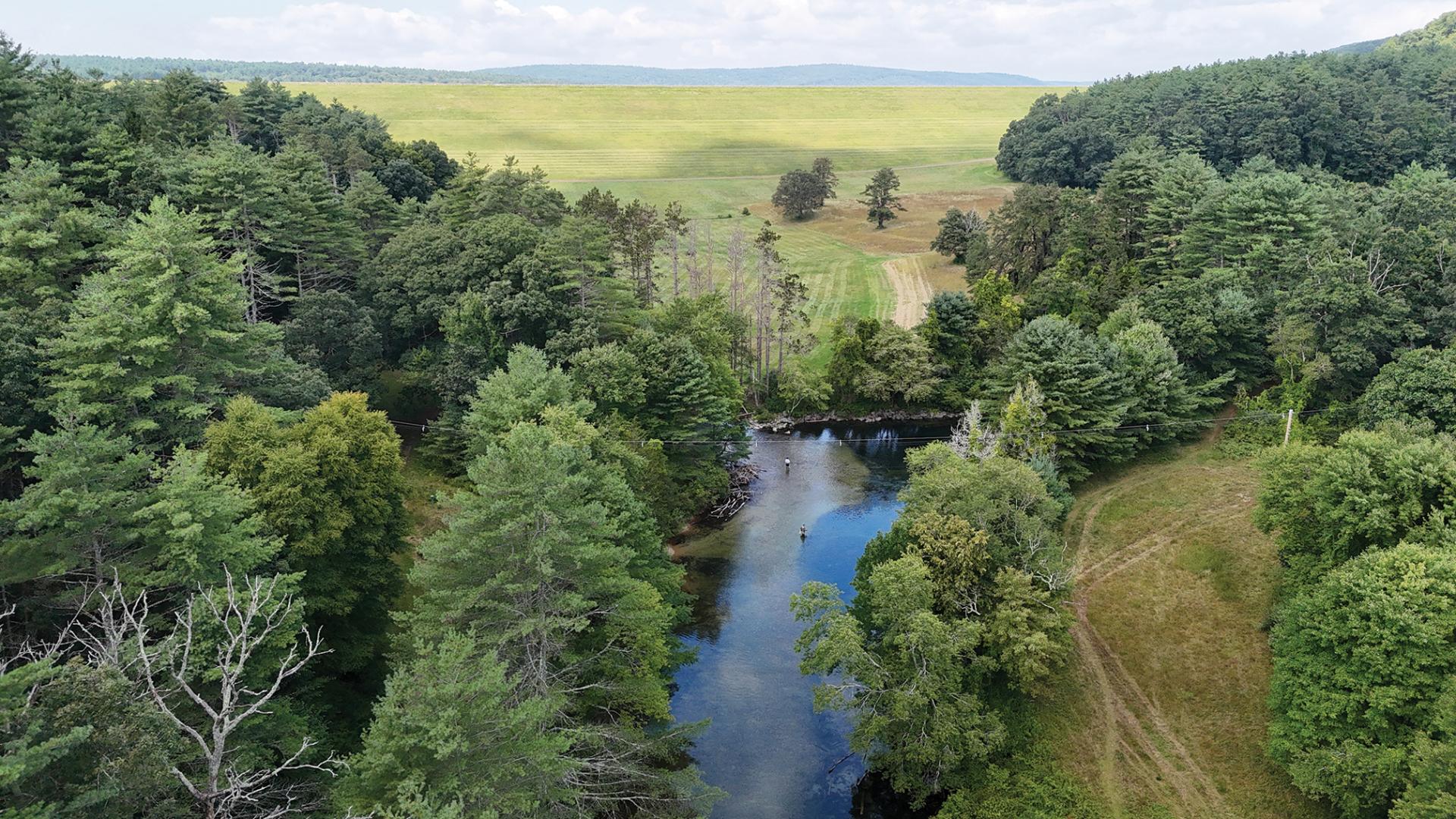
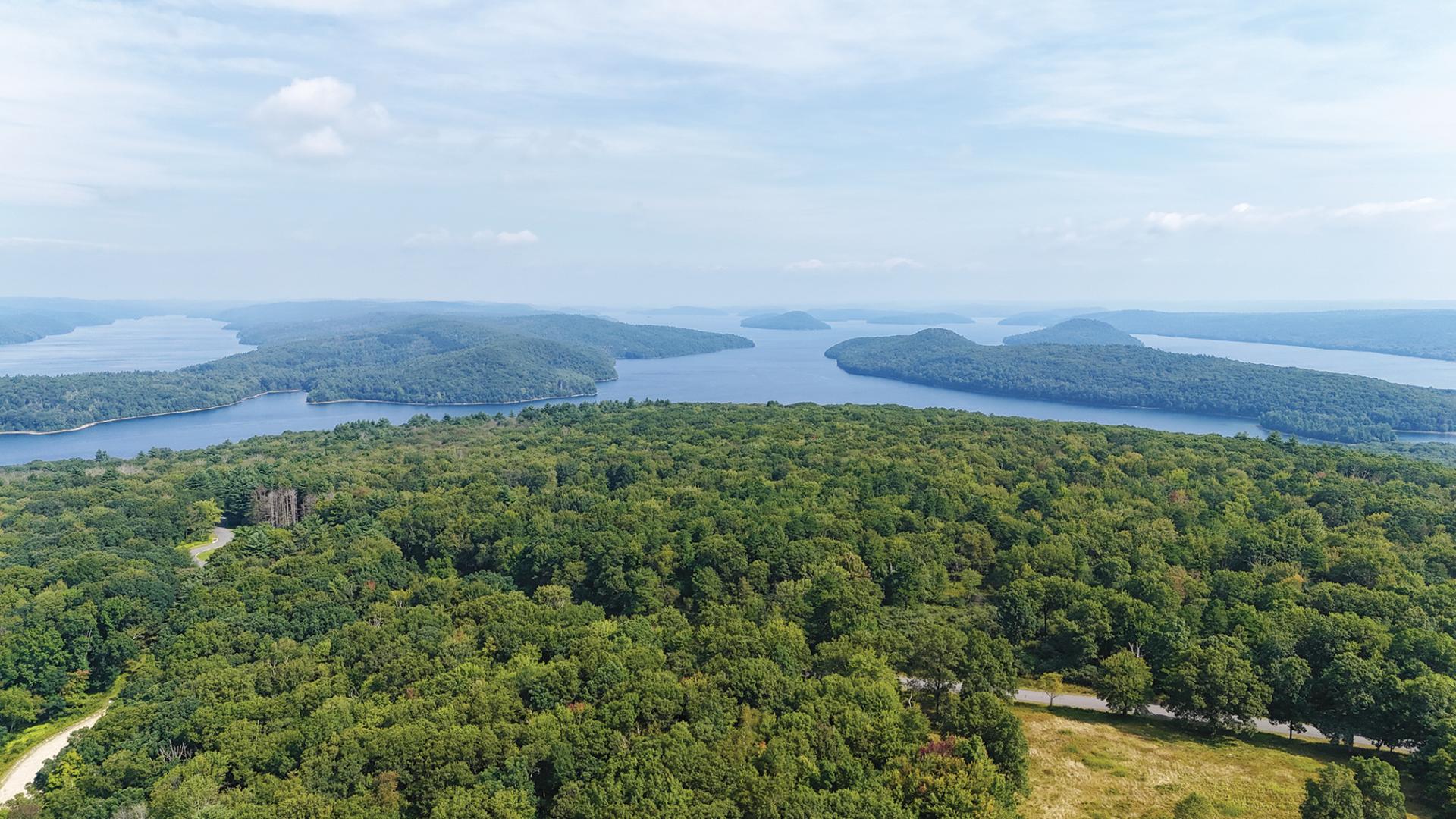
The water MWRA and your community provide to your home or business starts with the pristine Quabbin Reservoir with 412 billion gallons of storage and the Wachusett Reservoir with 65 billion gallons of storage. Combined, these two reservoirs provide an average of about 200 million gallons of pure, highly protected, high quality water each day. The Ware River provides additional water when needed. The Quabbin, Ware and Wachusett watersheds, 400 square miles that drain water to the reservoirs, are naturally protected.
More than 86 percent of the watershed land is covered with forests and wetlands, which filter the rain and snow that enter the streams that flow to the reservoirs. This water comes in contact with soil, rock, plants, and other material as it follows its natural path to the reservoirs. This process helps to clean the water, but it also can dissolve and carry very small amounts of material into the reservoir. Minerals and rock do not typically cause problems in the water. Water can also transport contaminants, including naturally occurring minerals, and bacteria and viruses or other potential pathogens from human and animal activity that can cause illness.
Testing results show that few contaminants are found in the reservoir water, and those few are in very small amounts well below the federal Environmental Protection Agency’s (EPA) treatment standards. MWRA and the Department of Conservation and Recreation (DCR) staff work together to implement our nationally recognized watershed protection program. The Department of Environmental Protection’s (MassDEP) Source Water Assessment report for the Quabbin and Wachusett Reservoirs commended DCR and MWRA for our source water protection plans. The report states that our “watershed protection programs are very successful and greatly reduce the actual risk of contamination.” MWRA and DCR follow the report recommendations to maintain the pristine watershed areas and high quality source water. For more information on our source water, go to: www.mwra.com/moreinfo.
Water: Tested From The Forest Streams To Your Sink Faucet
We collaborate with the DCR and water departments in 53 communities to ensure the continued delivery of safe drinking water to over 2.5 million people at their homes and businesses.
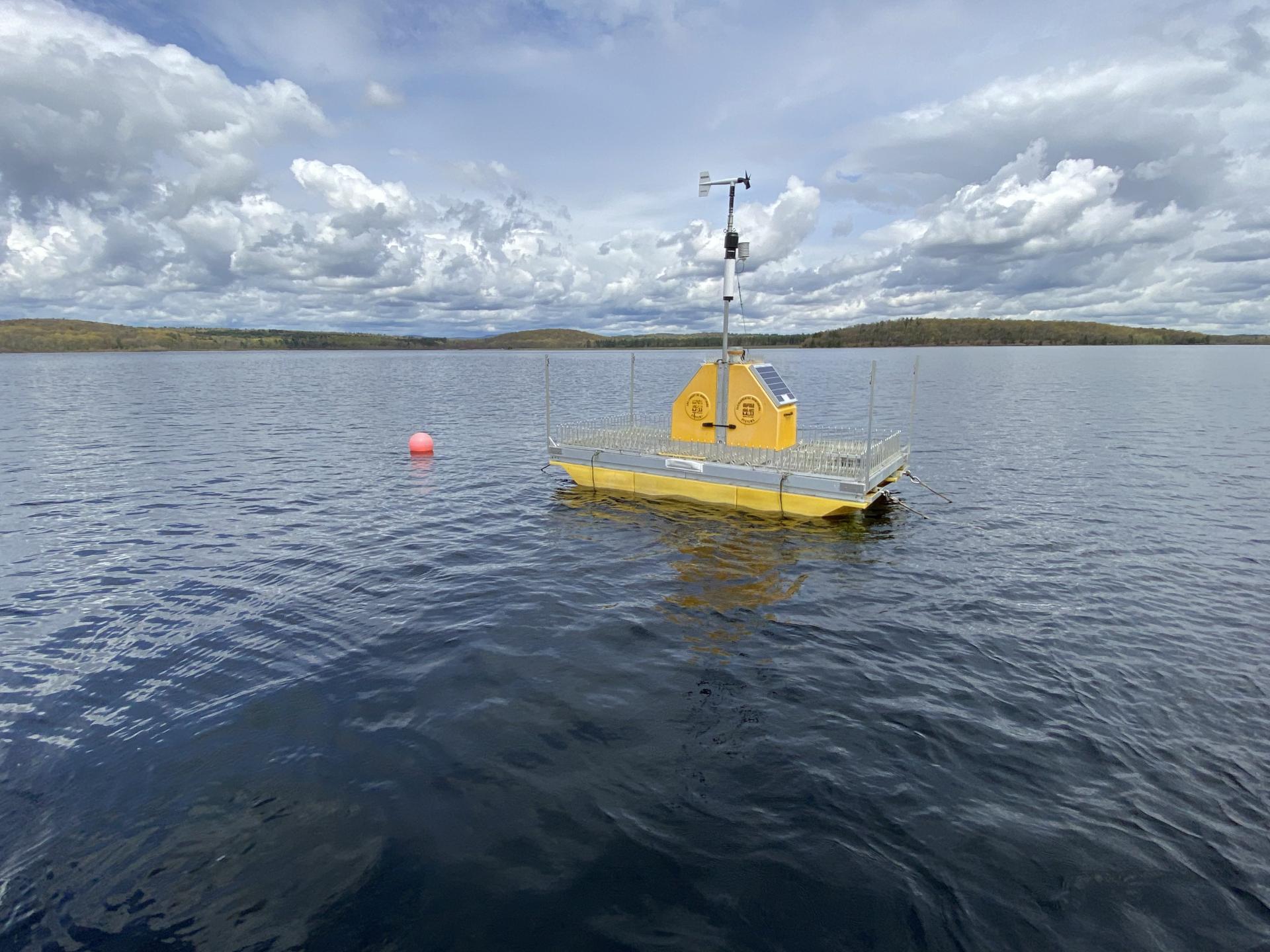
DCR biologists and environmental scientists sample the streams that feed the reservoirs to identify and resolve potential pollution sources, and to monitor water quality trends. MWRA and DCR scientists sample and analyze water in the reservoirs, and use specialized monitoring buoys to remotely and continuously monitor the reservoirs. These first steps in testing as the water heads to your sink help MWRA operators make decisions on how to manage the reservoirs and set treatment parameters. We are tracking carefully how our changing climate affects our sources to ensure a long-term resilient supply.
A key initial test for water quality leaving the reservoirs is turbidity, or cloudiness. Turbidity refers to the amount of suspended particles in the water and they can impair water disinfection. All water must be below five NTU (nephelometric turbidity units), and water can only be above one NTU if it does not interfere with effective disinfection. In 2025, typical levels in the Wachusett Reservoir were 0.26 NTU, and the maximum result was 0.67 NTU.
MWRA also tests source water for potential disease-causing organisms, including fecal coliform bacteria, and parasites such as Giardia and Cryptosporidium, that can enter the water from animal or human waste. All test results were well within state and federal treatment standards. Learn more about test results for waterborne contaminants and their potential health impacts at: mwra.com/moreinfo.
Because New England is seeing both heavier rainstorms and longer dry spells, MWRA carefully manages the Quabbin and Wachusett reservoirs to provide the hundreds of millions of gallons of water the region needs every day even during extended droughts—keeping your water reliable in any forecast.
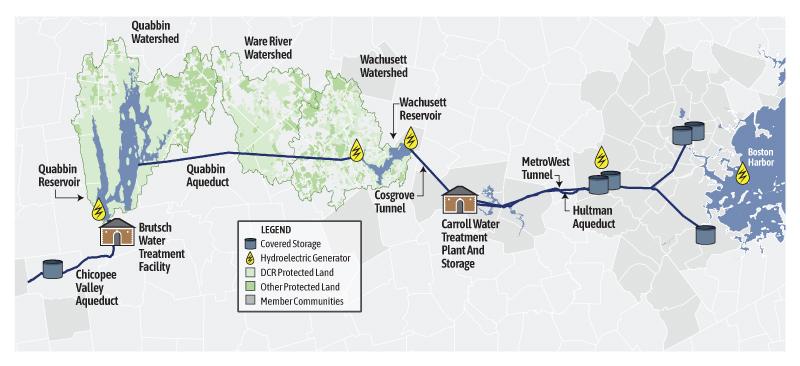
Treated And Tested: All The Way From The Source To Your Home
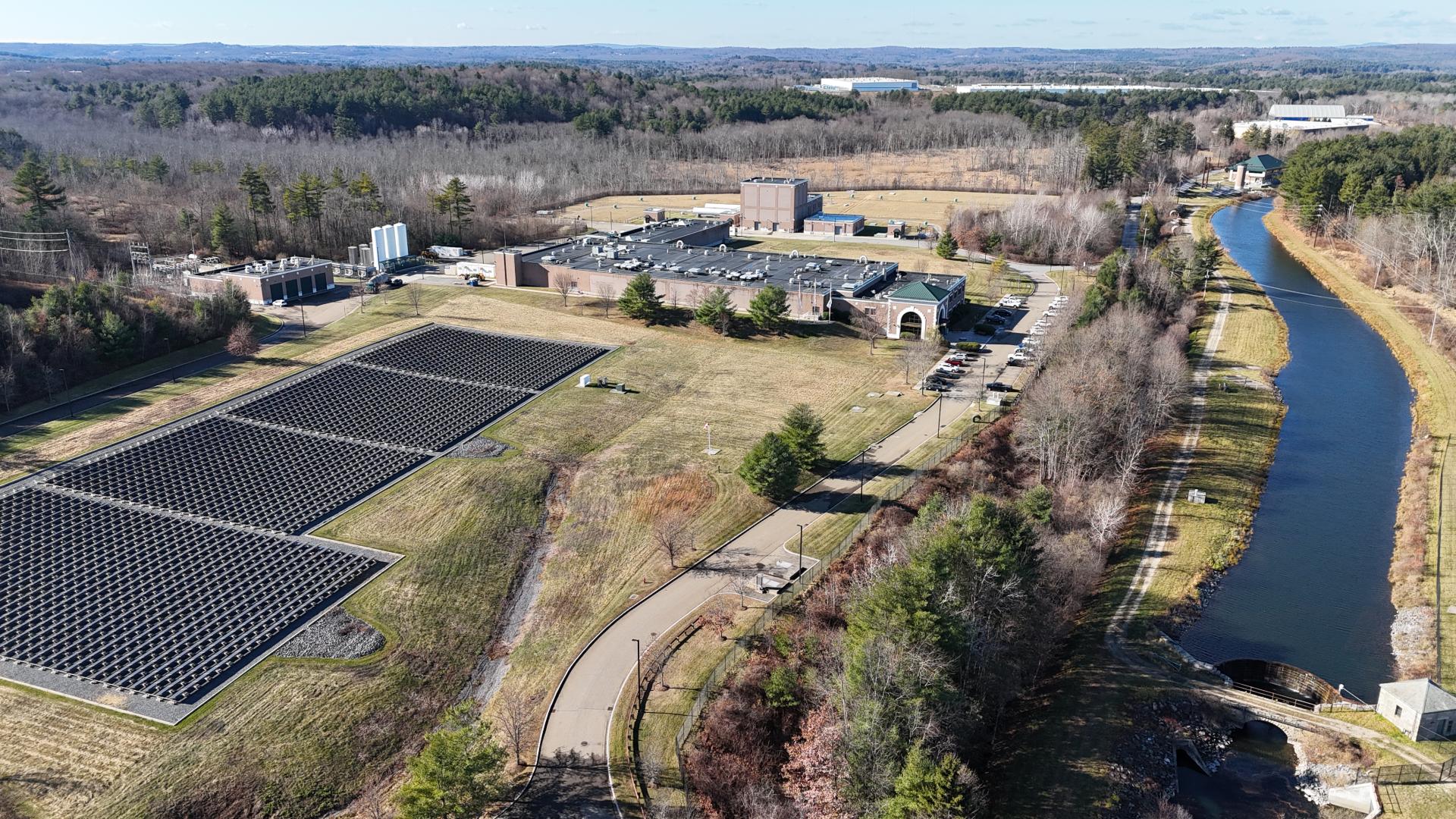
How We Treat Your Drinking Water
Since 2005, the MWRA’s John J. Carroll Water Treatment Plant in Marlborough has provided state-of-the-art disinfection, upgraded corrosion control, and ultraviolet (UV) treatment to your water before it travels through miles of pipes to your tap.
At the Carroll Treatment Plant, our well-trained and licensed operators add carefully measured doses of treatment chemicals, and continuously monitor dozens of parameters, to ensure that the treated water meets all standards. These treatment steps include:
- Ozone, made from pure oxygen, disinfects the water, killing bacteria, viruses and other organisms while improving taste and clarity.
- Ultraviolet light (UV), a form of natural disinfectant like sunlight, renders pathogens non-infectious.
- Fluoride protects dental health and prevents tooth decay.
- pH and alkalinity are adjusted to with sodium carbonate and carbon dioxide to reduce corrosion of lead from home plumbing.
- Monochloramine (a compound of chlorine and ammonia), is a mild and long-lasting disinfectant designed to protect the water as it travels through miles of pipelines to your home.
The Carroll Treatment Plant is designed with two separate parallel flow paths for redundancy and adaptability. This allows the plant to continue operating even when one half is being maintained or upgraded.
More Testing In Tanks And Pipes
Once your water is treated, MWRA staff follows and goes beyond EPA requirements and state regulations by testing the water as it leaves the treatment plant and travels through MWRA and community pipes and tanks to your tap. Our sampling teams, chemists, and biologists conduct hundreds of thousands of tests each year for over 120 contaminants at MWRA’s four laboratories; you can find the complete list of contaminants at mwra.com/moreinfo. The table below shows the 2025 results for detected contaminants, confirming the quality of water your community receives from MWRA.
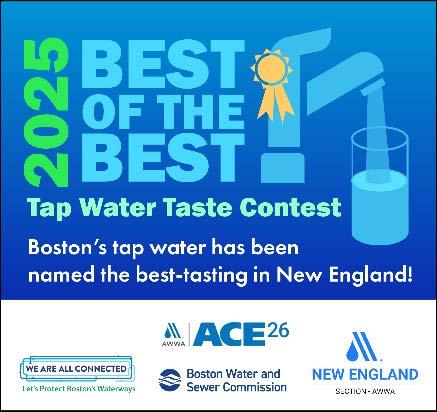
The combination of high-quality protected source water and well-designed and operated treatment means that your water not only meets EPA’s safety standards, but it also tastes good. In
2025, MWRA water won the New England regional taste contest. No need for bottled water—it’s great right from the tap.
| MWRA Water Test Results 2025 Detected Contaminants | |||||||
|---|---|---|---|---|---|---|---|
| Compound | Units | (MCL) Highest Level Allowed | (We Found) Detected Level-Average | Range of Directions | (MCLG) Ideal Goal | Violation | How It Gets in the Water |
| Barium | ppm | 2 | 0.008 | 0.007 - 0.009 | 2 | No | Common mineral in nature |
| Fluoride | ppm | 4 | 0.71 | 0.4 - 0.8 | 4 | No | Additive for dental health |
| Nitrite | ppm | 1 | 0.005 | ND - 0.005 | 1 | No | Byproduct of disinfection |
| Nitrate^ | ppm | 10 | 0.64 | 0.01 - 0.64 | 10 | No | Byproduct of disinfection |
| Radium-226* | pCi/L | 5 | 0.82 | 0.82 | 0 | No | Erosion of natural deposits |
| Haloacetic Acids-5 | ppb | 60 | 15.8 | 2.5 - 23.2 | NS | No | Byproduct of water disinfection |
| Total Trihalomethanes | ppb | 80 | 16.1 | 2.8 - 35.3 | NS | No | Byproduct of water disinfection |
| Monochloramine | ppm | 4-MRDL | 1.99 | 0.02 - 3.7 | 4-MRDLG | No | Water disinfectant |
| KEY: MCL = Maximum Contaminant Level. The highest level of a contaminant allowed in water. MCLs are set as close to MCLGs as feasible using the best available technology. MCLG = Maximum Contaminant Level Goal. The level of contaminant in drinking water below which There is no known or expected risk to health. MCLGs allow for a margin of safety. MRDL = Maximum Residual Disinfectant Level. The highest level of a disinfectant allowed in drinking water. There is convincing evidence that addition of a disinfectant is necessary for control of microbial contaminants. MRDLG = Maximum Residual Disinfectant Level Goal. The level of a drinking water disinfectant below which there is no known or expected health risk. MRDLGs do not reflect the benefits of the use of disinfectants to control microbial contamination. ppm = parts per million. ppb = parts per billion. NS = no standard. ND = non-detect. ^ = As required by DEP, the maximum result is reported for nitrate. * = Radium result from 2023. | |||||||
Reducing Lead Exposure
Preventing lead exposure is especially important if a pregnant woman or a child lives in your home, but it can also impact the health of your entire family. Lead can affect young children by potentially causing damage to the brain, slowing growth and development, and creating learning or behavior problems. While lead poisoning often comes from paint chips and dust, you can also be exposed through your drinking water. It’s important to learn about the health impacts of lead and how to reduce your total exposure. We will be sure to do our part by continuing to provide your community with reliable information, ensuring you can stay informed and updated.
How Lead Enters Drinking Water
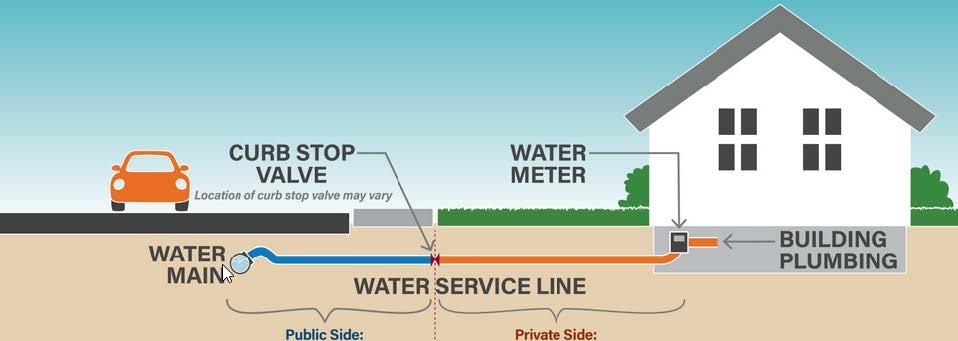
MWRA’s water is lead-free when it leaves our reservoirs. Water mains that provide water for your community are generally made of iron, steel, or concrete, which do not release lead into your water. However, lead can enter tap water from your service line—the small pipe connecting your home to the water main—if it is made of lead, lead solder used in plumbing, or from older brass faucets. This is due to corrosion, or wearing away of lead-based materials, which can pose an increased risk of exposure, especially when water sits in the pipes for a long time before it is used
MWRA Treatment Reduces Lead Corrosion
MWRA operates its modern corrosion control treatment facilities 24/7 to reduce water’s natural tendency to dissolve metals such as lead and copper. Our licensed treatment operators adjust the water’s pH and buffering capacity by adding sodium carbonate and carbon dioxide to the water. This makes water less corrosive, reduces leaching of lead into drinking water, and has decreased levels in tests of tap water by nearly 90% since 1996. To ensure that the treatment is working effectively, MWRA monitors water quality parameters set by MassDEP daily. Learn more about the reduction of lead in drinking water at mwra.com/moreinfo.
Important EPA Information On Lead
MWRA is responsible for providing high quality drinking water but cannot control the variety of materials used in the plumbing of your home. Lead in drinking water comes primarily from materials and parts used in service lines or your in-home plumbing. MWRA and your local community are working to identify and replace lead service lines. Lead can cause serious health effects in people of all ages, especially pregnant women, infants (both formula-fed and breastfed), and young children.
Lead levels can vary over time, and exposure is possible even when your tap sampling results do not detect it at one single point in time. You can help protect yourself and your family by taking steps to reduce your family’s risk of exposure. This can be done by identifying and removing lead materials within your home plumbing.
You should only use cold water for drinking, cooking, and making baby formula. Before doing so, remember to flush your pipes for several minutes. You can do this by running your tap, taking a shower, doing your laundry, and even washing a load of dishes. Please note that boiling water does not remove lead from water. If you have a lead service line or a galvanized line requiring replacement, you may need to flush your pipes for a longer period. Using a filter certified by an American National Standards Institute accredited certifier to reduce lead can also be effective in decreasing lead exposures. Carefully follow the instructions provided with the filter to ensure it is being used properly.
If you are concerned about lead in your water and wish to have your water tested, contact your local water department. (See your community letter.) Information on lead in drinking water, testing methods, and steps you can take to minimize exposure is available at www.epa.gov/ safewater/lead.
| Lead and Copper Results, September 2025 | |||||
|---|---|---|---|---|---|
| Range | 90 % Value | Action Level | Ideal Goal (MCLG) | #Homes Above AL/ #Homes Tested | |
| Lead (ppb) | ND - 874 | 5.96 | 15 | 0 | 18 of 594 |
| Copper (ppb) | 0.66 - 251 | 96.6 | 1300 | 1300 | 0 of 594 |
| Key: AL = Action Level – The concentration of a contaminant which, if exceeded, triggers treatment or other requirements, which a water system must follow. 90% Value (90th percentile) = Out of every 10 homes sampled, nine were at or below this level. | |||||
What Is An Action Level?
The ideal amount of lead is none. An Action Level is the amount of lead in water that requires action to reduce exposure. If your drinking water at home or school is above the lead Action Level, additional steps to reduce lead may be required. If more than 10% of your community’s samples were over the lead Action Level, your local water department is taking action to address the problem. See your community letter.
MWRA Meets Lead Standard In 2025
Every year, MWRA and your local water department are required to test local tap water, following EPA and DEP regulations. The EPA rule requires us to collect samples from homes with lead service lines or lead solder, and nine out of ten of those homes must have lead levels below the Action Level of 15 parts per billion (ppb).
This testing process provides communities, homeowners, and your local water department with information on whether lead is corroding and mixing with the drinking water. These results do not reflect lead levels in all homes because we target homes with known lead already in their plumbing.
Over the past 23 years, all MWRA sampling rounds have been below the EPA Action Level. In 2025, nine out of ten homes were below 5.9 ppb—well below the 15 ppb Action Level. See your community letter for local results and more information.
Boston, Malden, and Medford exceeded the Action Level in 2025. See your letter for more information.
Finding and Removing Lead
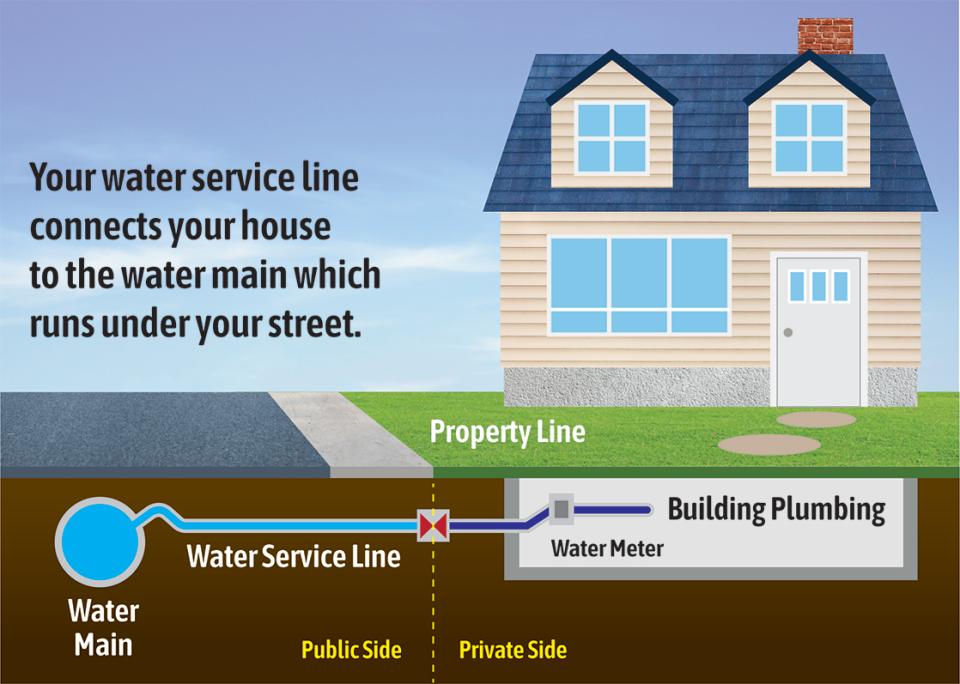
What Is A Lead Service Line?
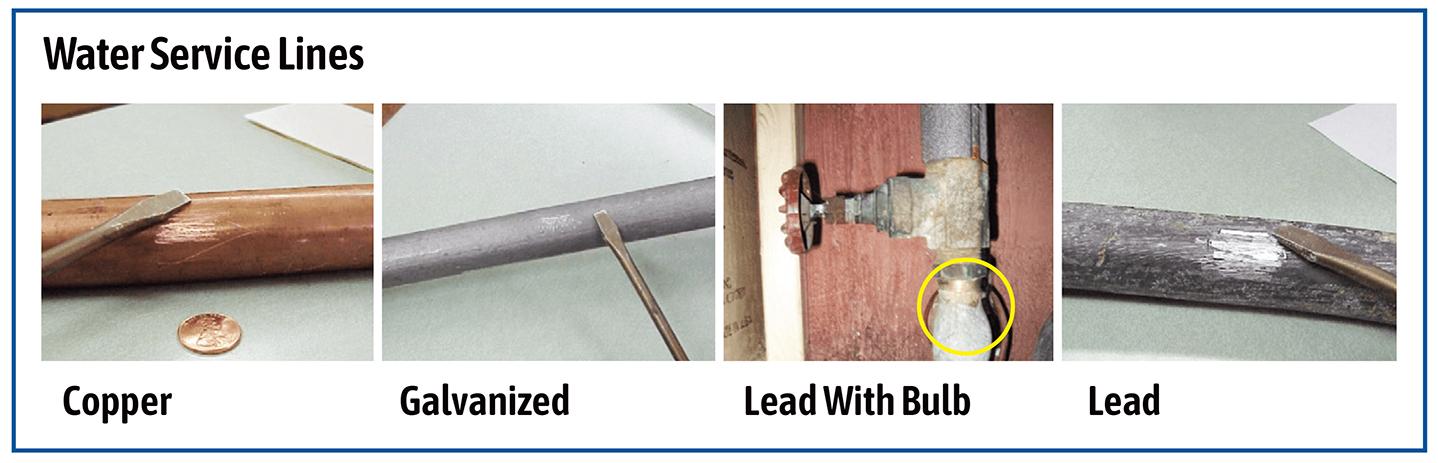
A service line is the small pipe that connects your home or building to the water main in the street. If your service line is made of lead, it can be a main source of lead in your tap water. Older lines that combined galvanized iron and lead connectors (“goosenecks”) can also release lead. Lead service lines should be removed entirely to prevent lead in your drinking water.
Where Are They?
Every community has completed an initial inventory of service lines and submitted it to MassDEP. By the end of each year, each community must mail a letter to every property that had a lead service line or a galvanized line that could contribute lead with information. The letter describes the risks of lead and how to get the service line replaced. It must also mail a letter to every property for which information about the service line material was lacking and provide information on how to determine if it was made of lead.
Many communities have online service line maps. You can also see if your service line is made of lead by scratching the pipe near your water meter with a key or other metal object. Lead pipes will show a dull grey color, while copper pipes will not. For a how-to guide, go to: www.epa.gov/pyt.
Your local water department staff can help you find out if you have a lead service line and provide help in replacing it. In some cases, an onsite check is necessary to determine the specific piping material to your building.
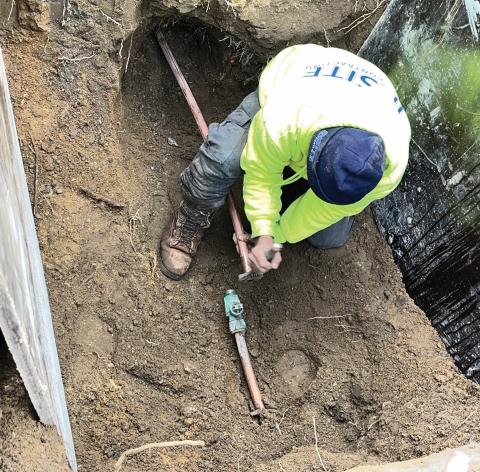
Replacing Lead Service Lines
MWRA and its Advisory Board offer zero-interest loans to member communities to help replace lead service lines through MWRA’s Lead Service Line Replacement Program. Each MWRA community is empowered to create local strategies for removing lead service lines, with many already actively replacing these pipes to improve water quality.
To encourage replacement of the portion of the lead service line on private property, MWRA is now offering a 25 percent grant to communities that do the full replacement at no cost to property owners. As of December 2025, MWRA has distributed a total of $72.4 million in Lead Service Line Replacement Loan Program funds to 22 communities. Our goal is to ensure full replacement in all homes by 2032, creating a lead-free future. We encourage you to reach out to your local water department about their efforts to find and replace your lead service lines.
Lead Testing In Schools and Childcare Facilities
Children can consume much of their drinking water at school or childcare facilities, and that plumbing may contain lead which can contribute to lead exposure. MWRA and MassDEP provide technical assistance and no-cost lab analysis in MWRA communities. Since 2016, MWRA’s laboratory staff have conducted over 47,000 tests from 737 schools and daycares in 49 communities. Results are available on the MassDEP website at: www.mass.gov/dep (search for “lead in schools") or contact your local school department.
How To Test Your Drinking Water
If you are concerned about lead piping in your home, contact your local water department about testing for lead in your drinking water. For more information on lead, a list of certified laboratories, and sampling instructions, go to mwra.com/moreinfo.
Steps To Reduce Lead In Your Home Or Office
- Find out if you have a lead service line, and get it replaced.
- Let water run before using it - fresh water is better than stale anyway.
- If the water has not been used for more than 6 hours, run the faucet used for drinking water or cooking for at least one minute or until after the water runs cold. To save water, fill a pitcher with fresh water and place it in the refrigerator.
- Never use hot water from the faucet for drinking or cooking, especially when making baby formula or other food for infants or young children.
- Remove loose lead solder and debris. Every few months, remove and clean the aerator from each faucet and run water for 3 to 5 minutes.
- Be careful of places where you may find lead in or near your home. Paint, soil, dust and pottery may contain lead. Call the Massachusetts Department of Public Health at 1-800-532-9571 or 1-800-424-LEAD.
Important Water Quality Takeaways
Information On Bottled And Tap Water From The EPA
Drinking water, including bottled water, may reasonably be expected to contain small amounts of some contaminants. The presence of these contaminants does not necessarily mean that your water poses a health risk. More information about contaminants and potential health effects can be obtained by going to www.epa. gov/safewaterhotline or contacting MWRA. To ensure that your tap water is safe to drink, MassDEP and the EPA prescribe regulations which limit the amount of certain contaminants in the water provided by public water systems. The FDA and the Massachusetts Department of Public Health regulations establish limits for contaminants in bottled water, which provide the same protection for public health.
Sodium and Drinking Water
Sodium in drinking water contributes only a small fraction of a person’s overall intake (less than 5%). MWRA tests for sodium monthly, and the highest level was 35.6 mg per liter (about eight mg per eight-ounce glass of water). This level is considered Very Low Sodium by the Food and Drug Administration (FDA).

A Message For Vulnerable Populations
Some people may be more vulnerable to contaminants in drinking water than the general population. Immunocompromised persons such as persons with cancer undergoing chemotherapy, persons who have undergone organ transplants, people with HIV/AIDS or other immune system disorder, some elderly, and infants, can be particularly at risk for infections. These people should seek advice about their drinking water from their health care providers. EPA and Centers for Disease Control and Prevention guidelines on appropriate means to lessen the risk of infection by Cryptosporidium and other microbial contaminants are available at www.epa.gov/ safewaterhotline.
Working With Your Community to Test Your Water
Total coliform bacteria come from the intestine of warmblooded animals and can be found in soil, plants, or other places. Oftentimes, they are not harmful. However, their presence could be an indicator that harmful bacteria may be present. Every week, MWRA works with local water departments to sample and test between 300 and 500 water samples for total coliform bacteria. If total coliform is detected in more than 5% of water samples in a month, the water system is required to investigate the possible sources and fix any identified problems. If one of these samples test positive, our laboratory staff will run a more specific test for E. coli, which is a type of coliform bacteria found in human and animal fecal waste, potentially causing illness. Your community letter will tell you if it was required to do a coliform investigation or found E. coli. MWRA had a single, unconfirmed E. coli detection in July. The goal for E. coli detections is zero, but since repeat samples at that location and nearby were clear of both total coliform and E. coli, this was not a violation, and no further actions were necessary.
Cross Connection Information
A cross-connection occurs whenever the drinking water supply may be in contact with potential sources of contamination. MassDEP recommends the installation of backflow prevention devices on all hose connections to help protect the water in your home and the town system. For more information on cross connections, please call 617-242-5323 or visit www.mwra.com/your-water-system/drinking-water-quality/crossconnections.
Important Research for New Regulations
MWRA works with EPA and health research organizations to help define new national drinking water standards by collecting data on water contaminants that are not yet regulated. Very few of these potential contaminants are found in MWRA water due to our reliable source water protection efforts. Detailed information on testing for unregulated contaminants, as well as data on PFAS, disinfection by-products, Giardia and Cryptosporidium, and other contaminants can be found at mwra.com/moreinfo.
MWRA Meets all PFAS Standards
Since the 1940s, PFAS, or per- and polyfluoroalkyl substances (sometimes called “forever chemicals”), have been used for many purposes—from personal care products and water proofing to firefighting. This continues to be a national concern. Our well-protected sources have shown only trace amounts of these compounds in MWRA water, well below the state PFAS6 standard of 20 parts per trillion and the upcoming EPA standards announced in April 2024. Scan the QR code for results and more details on PFAS.
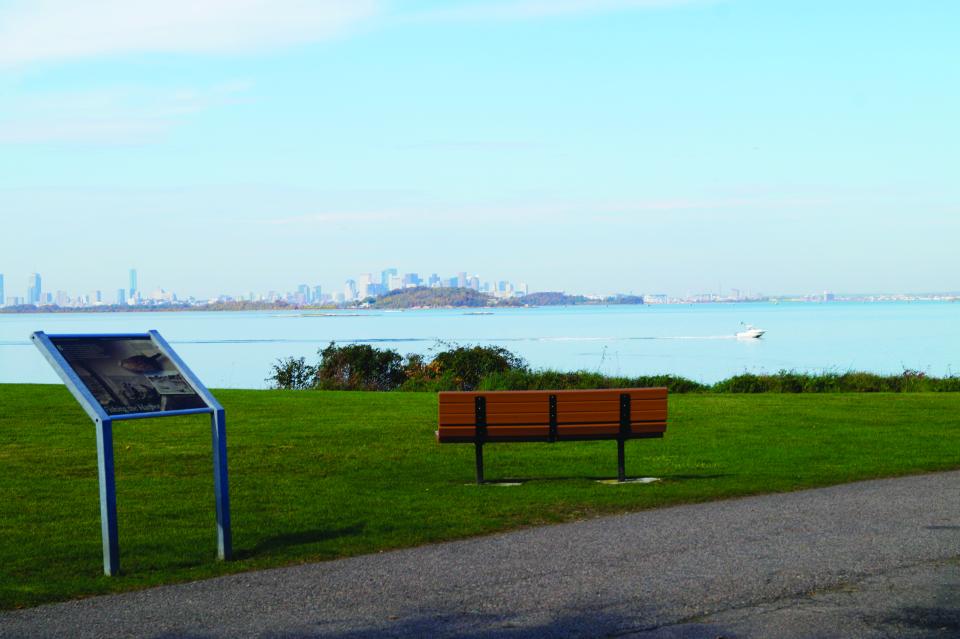
The sacrifices of the 2500 people who lived in the four towns that were removed to build the Quabbin Reservoir continue to help protect our drinking water, even today. Learn more at MWRA.com/moreinfo.
Building and Managing for Reliability
MWRA is focused on ensuring your water remains reliable, even as we face the challenges of aging infrastructure and a changing climate. Reliability means having a “Plan B” to protect public health, provide proper sanitation and fire protection. Our infrastructure is designed thoughtfully so that no single point of failure will stop your water delivery.
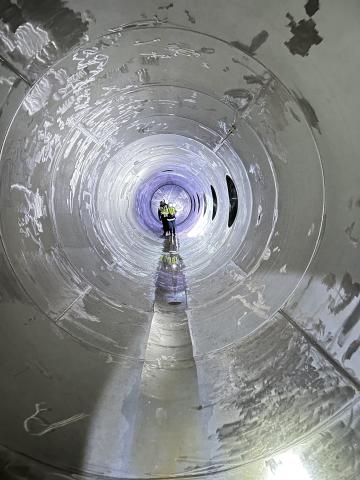
A key concept is redundancy – separate parallel ways to deliver water that allow us to inspect, maintain and rehabilitate key assets. We completed the MetroWest Tunnel in 2003. This 17.6-mile 14-foot diameter tunnel provides a critical backup to the 1940s-era Hultman Aqueduct, delivering water from the Carroll Water Treatment Plant in Marlborough to the edge of the Metro area in Weston, allowing for essential repairs without service interruptions. MWRA is well along in design for two new tunnels north and south of Boston. These will provide redundancy to the aging tunnels inside Route 128, allowing the entire region to stay connected. Similar efforts are underway, on a smaller scale, in other areas of the region.
Modernizing Main Lines - Major rehabilitation is underway on the 125-year-old Weston Aqueduct Supply Main 3 to strengthen the backbone of our delivery network. This five-foot diameter steel pipe runs through Weston, Waltham, Belmont, Arlington, and Medford and is a key part of the supply system north of Boston. MWRA also continues to rehabilitate older unlined cast iron pipes throughout our system.
We don’t just manage the big pipes; we help your town stay resilient too. Through zero-interest loans, MWRA helps communities replace or rehab aging local mains to prevent leaks and maintain high water quality. We provided $30.5 million to 19 communities for pipeline and other water projects in 2025, and over $651 million since 1998. Together, we are building a system that is ready for whatever the future brings.
Weather-Ready Water
With climate change bringing more intense storms and seasonal droughts, MWRA’s huge reservoirs and drought-management planning help ensure a reliable water supply today and for the future. The Quabbin and Wachusett reservoirs can hold a combined 477 billion gallons of water – the equivalent of six years of water use. MWRA and DCR monitor reservoir levels daily: Quabbin levels fluctuate based on precipitation and runoff and water use, and Wachusett is kept at a relatively full level to maintain water quality. Their storage capacity is designed to handle drought conditions, filling during wet and average conditions, and dropping during dry periods, ensuring a reliable, long-term supply of high-quality drinking water for over 2.5 million people, even during extended dry periods.
Water Conservation
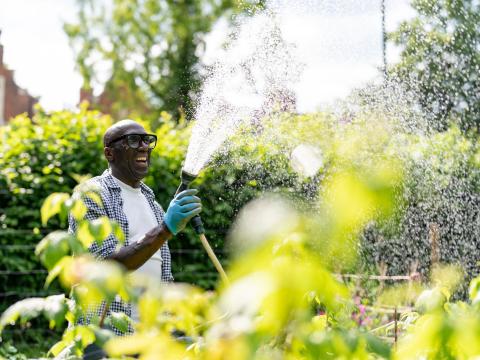
Part of what makes our region drought resilient is the dramatic drop in water use since the 1980s. Water use in our region has dropped from over 330 million gallons to around 200 million gallons per day, due to fewer leaks, water saving appliances, and customers using water wisely. This keeps our reservoirs full, reduces the cost of building and operating our facilities, and protects the environment.
It is important to conserve water wherever you can, both indoors and outdoors. Your support does not go unnoticed. Thanks for your help. Check out the list of actions you can take to help keep our water supply sustainable. For more information and water saving tips, go to mwra.com/moreinfo.
Small changes can have big impacts. Request your free MWRA water conservation kit at wc.mwra.com/home
Climate Change Action
MWRA has a long-standing commitment to decrease greenhouse gas emissions and increase our renewable energy use, supporting our mission to protect public health and promote environmental stewardship. MWRA’s resiliency planning, combined with our dedication to advance Massachusetts’ climate and energy goals, has been shown through early investment in energy efficiency, customer conservation, and renewable energy production. MWRA has also invested in future-proofing facilities against rising sea levels so we can continue to provide reliably and environmentally sound service for decades to come.
Your Water Makes Electricity
Electricity and water do mix! As the water leaves Wachusett Reservoir and heads toward the treatment plant in Marlborough, it passes through a hydroelectric generator. This creates clean, green renewable power, lowers MWRA’s costs, and reduces greenhouse gas emissions. This generator at the Cosgrove Intake is one of five units designed to capture excess energy as water travels from the Quabbin Reservoir all the way to the wastewater treatment plant on Deer Island. Almost 30% of MWRA’s electrical use relies on renewable resources, with self-generated power from biomass, hydro, wind, and solar.
Why Save Water?
- It helps keep our reservoirs full.
- Saving water can save you money by lowering your monthly water and sewer bill.
- Wildlife, rivers and crops all need water too.
- Reducing water use reduces energy use and cost by decreasing the energy need to pump, treat and heat water.
Help Protect Boston Harbor and Our Rivers
- Only flush toilet paper—most “flushable wipes” can clog pipes and cause overflows.
- Fats, oil and grease go in the trash, not the drain.
Sump pumps and roof drains should connect to a storm drain or a dry well, not the sanitary sewer. Too much clean water can overload the sewer system.
For more information, go to mwra.com/moreinfo.
Community Letters
Where To Go For Further Information
| Where To Go For Further Information | ||
|---|---|---|
| Massachusetts Water Resources Authority (MWRA) | www.mwra.com | 617-242-5323 |
| Department of Conservation and Recreation (DCR) | www.mass.gov/dcr/watersupply | 617-626-1250 |
| Massachusetts Dept. of Public Health (DPH) | www.mass.gov/dph | 617-624-6000 |
| Massachusetts Dept. of Environmental Protection | www.mass.gov/dep | 617-292-5500 |
| US Centers for Disease Control & Prevention (CDC) | www.cdc.gov | 800-232-4636 |
| List of State Certified Water Quality Testing Labs | www.mwra.com/your-water-system/drinking-water-quality/lead-testing | 617-242-5323 |
| Source Water Assessment and Protection Reports | www.mwra.com/your-water-system | 617-242-5323 |
| Information on Water Conservation | www.mwra.com/your-water-system/water-conservation | 617-242-SAVE |
| Public Meetings | ||
|---|---|---|
| MWRA Board of Directors | www.mwra.com/about-mwra/governance-management/board-directors | 617-788-1117 |
| MWRA Advisory Board | www.mwraadvisoryboard.com | 617-788-2050 |
| Water Supply Citizens Advisory Committee | www.mwra.com/about-mwra/advisory-groups | 413-213-0454 |
For A Larger Print Version, Call 617-242-5323
This report is required under the Federal Safe Drinking Water Act. MWRA PWS ID# 6000000