 |
| Home |
| About MWRA |
| Water System |
| Sewer System |
| Harbor and Bay |
| School Program |
| Doing Business with MWRA |
| Contact MWRA |
Recycling Wastewater
Sludge into Fertilizer
Massachusetts Water Resources Authority
|
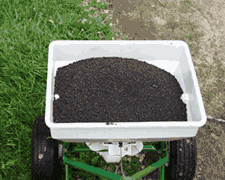
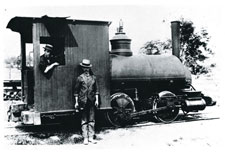
For more information about how to purchase Bay State Fertilizer, visit www.baystatefertlizer.com |
Before 1991, the solids and scum removed during sewage treatment were treated in a very different manner from the way they are today. As part of primary treatment, wastewater is channeled into settling tanks, where heavy particles (sludge) sink to the bottom of the tank. Anything that floats, such as plastics, fats, cooking oils, and sticks, is called scum.
Before the Boston Harbor Project, the sewage solids and floating material was digested–broken down by bacteria – to reduce its volume and oxygen-demanding organic matter. Then, the digested sludge and scum were simply re-combined with chlorinated effluent and discharged into the harbor on the outgoing tide. The sludge-scum mixture from the old Nut Island treatment plant was digested and then pumped to an outfall about 5 miles away off Long Island. This black, smelly substance, adorned with pieces of trash, represented the worst results of the old treatment plants, and the most memorable ones for boaters.
Today, scum is landfilled. Sludge is processed into fertilizer pellets for gardening and landscaping. The days of scum and sludge in the harbor are, fortunately, long-gone.
High Temperatures Kill Bacteria
Using rotating, high-temperature
dryers, the plant produces a small, hard granule that is approximately 60%
organic matter. The pellets contain several important nutrients,
such as nitrogen, phosphorous, calcium, sulfur and iron, and because the
nitrogen in the fertilizer is in an organic form, it feeds plants slowly
over time and minimizes the risk of nitrate pollution.
Fertilizer Marketed Nearby and Nationwide
While most of MWRA's fertilizer
is marketed in bulk by New England
Fertilizer Company, a small portion is packaged and distributed as Bay
State Fertilizer. The product meets all state and federal standards
for biosolids (sludge-derived) fertilizer, including the strictest limits
on metals. Bay State Fertilizer benefits lawns and gardens in several ways.
Like compost, Bay State Fertilizer adds organic matter to the soil, helping
to improve its texture and moisture-holding capacity. Unlike compost, however,
Bay State Fertilizer is a significant source of nutrients and can be easily
applied to lawns using conventional spreaders.
Bay State Fertilizer is purchased wholesale by golf courses and landscapers
throughout New England and has been available locally through garden centers
and nurseries since 1995. Many communities within the MWRA sewerage district
use the fertilizer on their parks, athletic fields, and municipal landscaping.
Updated September 28, 2021
https://www.websterpaymentlink.com/ebpp/ßs